
Maintaining a healthy weight is one of the most important factors in ensuring your cat lives a long, active, and disease-free life. In the United States, feline obesity has become increasingly common, often due to overfeeding, lack of exercise, and poor dietary choices. Choosing the right cat food plays a critical role in preventing weight gain and supporting overall wellness.
This guide will help you understand how to select the best diet for weight management, what ingredients to prioritize, and how to build healthier feeding habits for your feline companion.
Why Weight Management Matters for Cats
Obesity in cats isn’t just about appearance—it can lead to serious health issues such as:
- Diabetes
- Joint and mobility problems
- Heart disease
- Reduced lifespan
Even a small amount of excess weight can significantly impact your cat’s health. That’s why prevention is always better than treatment.
What Causes Obesity in Cats?
Understanding the root causes can help you make smarter feeding decisions:
Overfeeding
Free-feeding or giving large portions can quickly lead to calorie surplus.
Low Activity Levels
Indoor cats tend to be less active, making them more prone to weight gain.
Poor Diet Quality
Foods high in fillers and low in protein can increase fat accumulation.
Excess Treats
Too many snacks—even small ones—add up quickly in daily calorie intake.
What to Look for in Weight Management Cat Food
Choosing the right healthy cat food is key to managing your cat’s weight effectively. Here’s what to prioritize:
High Protein Content
Protein helps maintain muscle mass while promoting fat loss.
Low Fat Levels
Reduced fat content helps control calorie intake.
Added Fiber
Fiber keeps your cat feeling full longer, reducing overeating.
Real Meat as First Ingredient
Look for chicken, turkey, or fish as the primary ingredient.
No Artificial Fillers
Avoid corn, soy, and artificial preservatives.
Best Types of Cat Food for Weight Control
1. Weight Management Formulas
These are specially designed to reduce calorie intake while maintaining nutrition.
2. High-Protein, Low-Carb Diets
Mimic a cat’s natural diet and help burn fat efficiently.
3. Portion-Control Dry Food
Kibble designed for controlled feeding helps regulate intake.
4. Wet Food Options
Often lower in calories and higher in moisture, helping with satiety.
Feeding Tips to Prevent Obesity
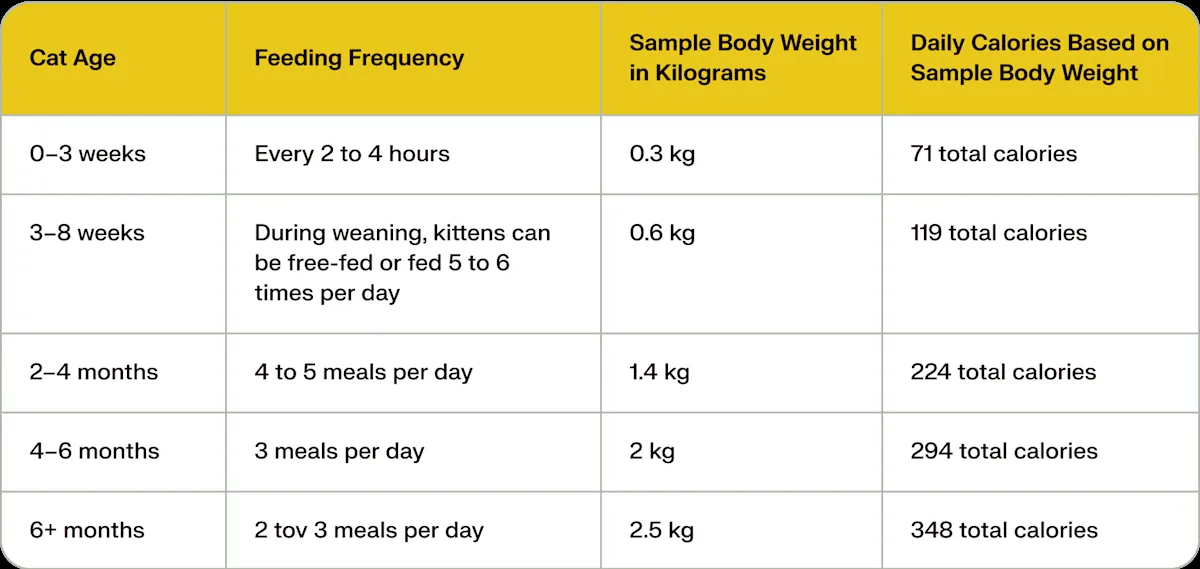
Stick to Scheduled Feeding
Feed your cat at the same times each day instead of leaving food out.
Measure Portions Carefully
Use a measuring cup to avoid overfeeding.
Encourage Activity
Interactive toys and playtime help burn calories.
Provide Fresh Water
Hydration supports metabolism and digestion.
Managing Treat Intake the Right Way
Treats are often overlooked contributors to weight gain. While they’re great for bonding and training, moderation is key.
If your cat has specific health concerns, such as kidney issues, choosing appropriate treats for cats with kidney disease becomes even more important. These treats are typically lower in phosphorus and tailored for sensitive health conditions.
Limit treats to no more than 10% of your cat’s daily calorie intake and always factor them into the total feeding plan.
Signs Your Cat May Be Overweight
- Difficulty jumping or climbing
- Lack of visible waistline
- Fat deposits around the abdomen
- Reduced activity or lethargy
If you notice these signs, consult your veterinarian and consider transitioning to a controlled diet plan.
How to Transition to a Weight Management Diet
Switching foods suddenly can upset your cat’s stomach. Follow this gradual process:
- Day 1–3: 75% old food + 25% new
- Day 4–6: 50% old food + 50% new
- Day 7–9: 25% old food + 75% new
- Day 10: 100% new food
Consistency is key for successful weight management.
USA Trends in Cat Nutrition
Pet parents across the USA are becoming more mindful of their cats’ diets. Popular trends include:
- Low-calorie, high-protein diets
- Functional foods for weight and digestion
- Natural and limited-ingredient recipes
- Vet-approved nutrition plans
These trends reflect a growing focus on preventive pet care and long-term health.
Final Thoughts
Managing your cat’s weight doesn’t have to be complicated. By choosing the right cat food, controlling portions, and encouraging regular activity, you can help your feline companion stay fit and healthy for years to come.
A balanced approach—combining proper nutrition, exercise, and mindful feeding—ensures your cat maintains an ideal weight without sacrificing happiness or satisfaction.
FAQs
1. What is the best cat food for weight loss?
Look for high-protein, low-fat formulas specifically labeled for weight management.
2. How can I tell if my cat is overweight?
Check for a lack of waistline, difficulty moving, and excess fat around the belly.
3. Should I stop giving my cat treats?
No, but limit them to 10% of daily calories and choose healthier options.
4. How long does it take for a cat to lose weight?
Safe weight loss is gradual and may take several weeks to months depending on the cat.
5. Can indoor cats maintain a healthy weight easily?
Yes, with proper diet control and regular playtime, indoor cats can stay fit and active.
