
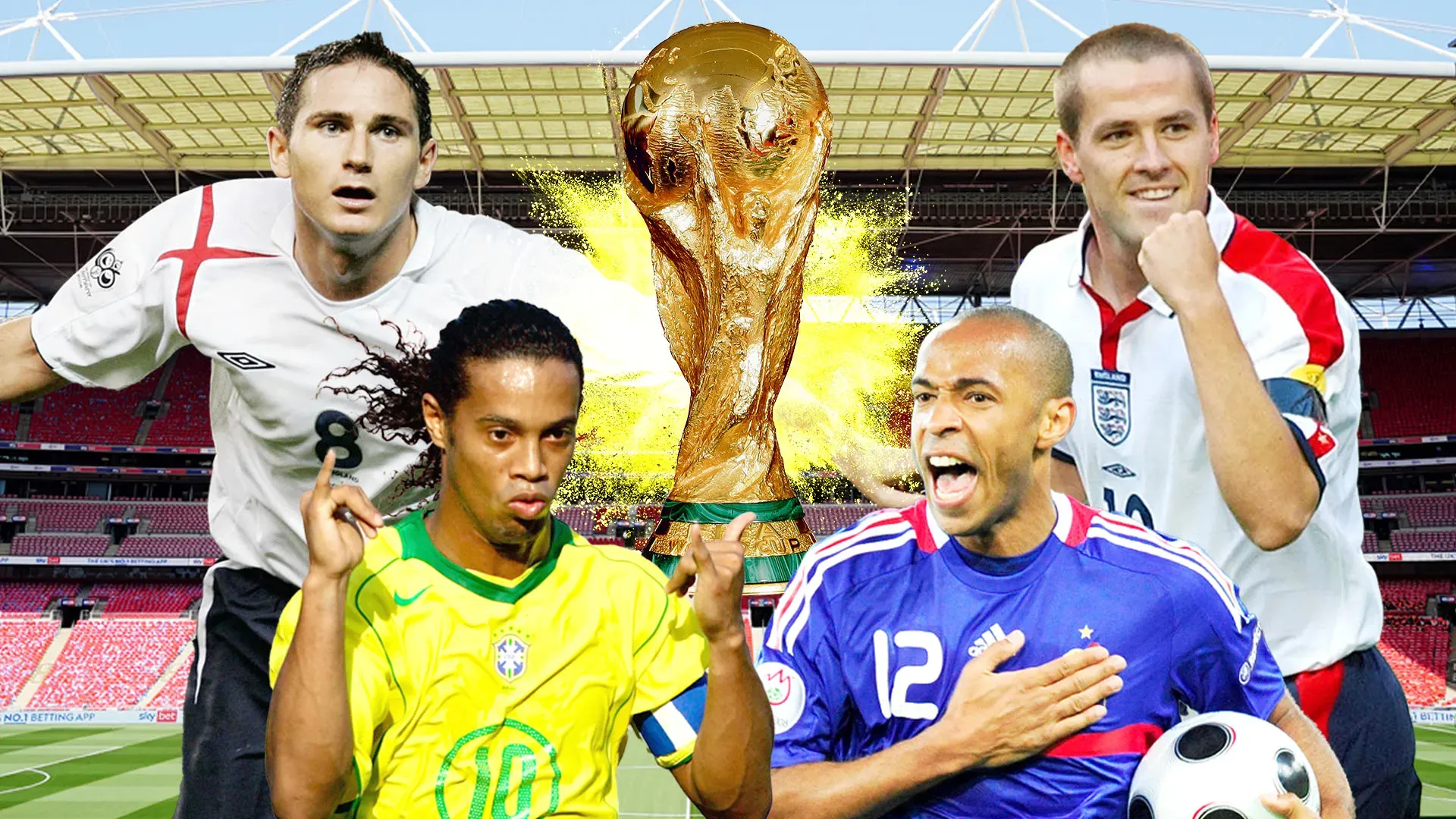
Football world cup legends have left a lasting imprint on the beautiful game, creating moments that fans remember for generations. From breathtaking goals to unforgettable performances, these players not only won matches but also captured the hearts of millions. The World Cup has always been a stage where legends are born, and their stories continue to inspire aspiring footballers around the world.
One remarkable example is Diego Maradona’s legendary “Hand of God” goal in 1986. Maradona’s talent, creativity, and sheer audacity cemented his place as one of the ultimate football world cup legends, influencing how the game is played even today.
The Magic of Pelé and Brazil’s Golden Era
When discussing football world cup legends, Pelé inevitably comes to mind. The Brazilian forward won three World Cups (1958, 1962, and 1970), an achievement unmatched by any other player. His speed, skill, and goal-scoring ability set new standards for international football.
Pelé’s influence went beyond the field. He became a global ambassador for the sport, showing how football could unite people across continents. His World Cup performances remain benchmarks for aspiring players, proving why he is celebrated as a true legend.
Diego Maradona: Genius and Controversy
Diego Maradona’s name is synonymous with brilliance and controversy. His 1986 World Cup campaign is legendary, where he single-handedly led Argentina to victory. The “Goal of the Century,” where he dribbled past five English players, showcased his extraordinary skill and vision.
Maradona embodies the unpredictable magic of the tournament, reminding fans that football world cup legends are not only defined by titles but also by moments that capture the imagination. His story also highlights the human side of greatness, blending triumph with personal struggles.
Zinedine Zidane: Elegance in Motion
Zinedine Zidane’s impact on the World Cup is iconic. Leading France to their first-ever title in 1998, Zidane scored two crucial goals in the final against Brazil. His elegance, vision, and precise control on the ball made him one of the standout players of his generation.
Zidane’s 2006 World Cup performance further cemented his legacy, proving that football world cup legends are not just about youth or peak form—they are about leaving a lasting impression that transcends generations.
Ronaldo Nazário: The Phenomenon
Ronaldo, the Brazilian striker known as “O Fenômeno,” thrilled the world with his explosive speed, sharp dribbling, and lethal finishing. He played a pivotal role in Brazil’s 2002 World Cup triumph, scoring eight goals in the tournament, including two in the final against Germany.
Ronaldo’s journey was filled with adversity, including serious injuries, yet his resilience and skill make him a defining figure among football world cup legends. His story inspires players to overcome setbacks while chasing glory.
Lionel Messi: Master of Modern Football
No discussion of football world cup legends is complete without mentioning Lionel Messi. After years of near misses on the international stage, Messi finally lifted the World Cup trophy with Argentina in 2022.
Messi’s vision, dribbling, and consistency exemplify modern football excellence. His leadership on and off the field demonstrates that legends are not only about individual brilliance but also about inspiring a team and a nation.
Cristiano Ronaldo: Global Superstar Impact
Cristiano Ronaldo, though still chasing his World Cup dream, has left a lasting mark on the tournament. With unmatched athleticism, goal-scoring ability, and dedication, he represents the evolving era of football.
Ronaldo’s influence extends beyond goals. His presence in the tournament draws global attention, illustrating how football world cup legends can shape not only results but also fan culture and global interest in the sport.
Historic Teams That Created Legends
Some legends emerge not just as individuals but as part of historic teams. The 1970 Brazilian squad, featuring Pelé, Jairzinho, and Tostão, is widely considered one of the greatest teams ever assembled. Their attacking style and creativity defined an era and produced multiple football world cup legends.
Similarly, the 1982 Italian team, with Paolo Rossi leading the line, highlighted how teamwork, strategy, and individual brilliance combine to create unforgettable moments. Fans remember not just the players but the spirit of these teams.
Goalkeepers Who Became Icons
While forwards often steal headlines, goalkeepers have also carved out legendary status. Lev Yashin, the “Black Spider,” remains the only goalkeeper to win the Ballon d’Or and is remembered as a pivotal figure in the 1966 World Cup.
Other goalkeepers like Gianluigi Buffon and Manuel Neuer have defined eras, showcasing that football world cup legends can emerge from any position on the field. Their ability to perform under immense pressure exemplifies the drama and intensity of the tournament.
The Influence of Cultural Impact
Legends are not only made on the pitch but also in how they inspire fans globally. Players like George Weah, Hugo Sánchez, and Cafu became symbols of pride for their countries, elevating football beyond sport into cultural significance.
Their influence helps explain why football world cup legends resonate decades after their retirement. These players show that talent combined with character creates enduring legacies.
The Modern Era of Emerging Legends
The modern World Cup continues to produce legends. Players like Kylian Mbappé, Luka Modrić, and Harry Kane have created moments that will be remembered for generations. Their performances highlight how the game evolves while maintaining the same passion and intensity that defines football world cup legends.
With global media, streaming, and social networks, fans now witness these moments instantly, amplifying the impact of every goal, save, and celebration. The connection between players and fans ensures that legends are celebrated worldwide, transcending borders and generations.
Memorable Rivalries That Created Legends
Some of the most iconic football world cup legends emerge from historic rivalries. Matches between Brazil and Argentina, Germany and Italy, or England and Germany have produced unforgettable moments and elevated players into legendary status.
These high-stakes games test skill, composure, and creativity, ensuring that legends are defined not just by talent but by the ability to perform under immense pressure. Fans cherish these stories as they become part of football folklore.
Read also:
bayern munich vs auckland city fc lineups
bayern munich vs inter milan lineups
inter milan vs bayern munich lineups
bengaluru fc vs roundglass punjab fc stats
