
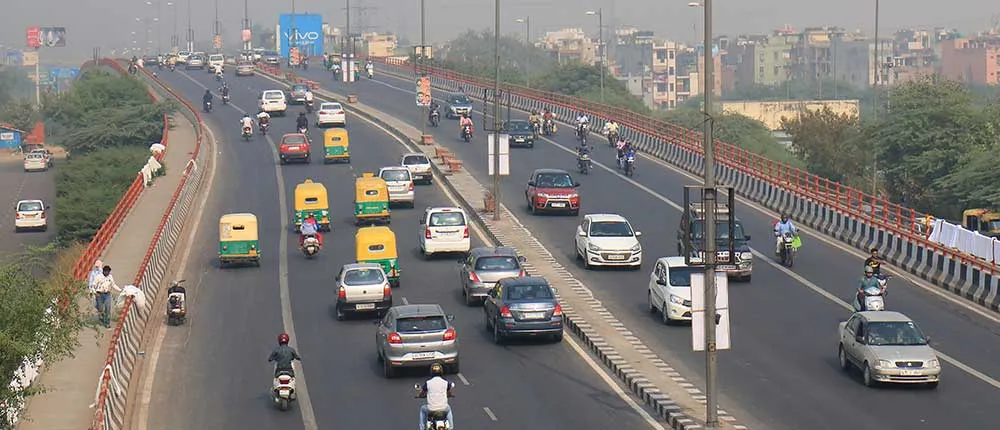
Highway lane discipline rules are the backbone of safe and efficient highway driving. Following proper lane usage is essential not only for personal safety but also for maintaining smooth traffic flow. Many accidents on highways occur due to improper lane behavior, sudden lane changes, or slow driving in overtaking lanes.
Imagine driving on a busy expressway during peak hours. Vehicles speed past in multiple lanes, trucks occupy the rightmost lanes, and impatient drivers switch lanes unpredictably. Observing highway lane discipline rules allows drivers to navigate such traffic safely, reducing collision risks and promoting courteous road behavior.
Whether you’re a beginner learning highway driving or an experienced driver, understanding and applying these rules ensures safer journeys for everyone.
Importance of Highway Lane Discipline Rules
Maintaining lane discipline prevents confusion, reduces accidents, and improves traffic efficiency. Drivers who ignore lane discipline increase the likelihood of collisions due to sudden lane changes, tailgating, or obstructing overtaking vehicles.
Lane discipline involves choosing the correct lane based on your speed, the type of vehicle, and the intended maneuvers. Following these rules contributes to a more organized highway environment, reducing stress and congestion.
Proper adherence to highway lane discipline rules is not just a legal requirement but a key aspect of responsible driving.
Choosing the Correct Lane
One of the fundamental principles of lane discipline is using lanes according to their purpose. Generally, slower vehicles should stay in the rightmost lanes, while faster vehicles use left lanes for overtaking.
Maintaining the correct lane prevents traffic bottlenecks and minimizes the need for sudden lane changes. It also allows emergency vehicles to move efficiently during incidents.
Applying highway lane discipline rules includes understanding lane designations, speed considerations, and overtaking protocols.
Overtaking and Lane Changes
Overtaking requires careful judgment and adherence to rules. Drivers must signal their intentions, check mirrors and blind spots, and complete maneuvers safely without cutting off other vehicles.
Sudden or aggressive overtaking often leads to collisions, particularly on multi-lane highways. Defensive driving and anticipation are essential during lane changes.
Properly executing lane changes is a critical component of highway lane discipline rules, ensuring smooth traffic flow and safety for all drivers.
Maintaining Safe Lane Position
Staying centered in your lane reduces the risk of side-swipe accidents and maintains consistent spacing from surrounding vehicles. Uneven positioning or drifting can startle other drivers and create hazards.
Consistent lane positioning also improves aerodynamics and fuel efficiency for larger vehicles. By focusing on proper alignment, drivers adhere to fundamental highway lane discipline rules.
Using Indicators Effectively
Indicators communicate your intentions to surrounding drivers and are essential for lane changes, turns, and merging. Neglecting indicators can lead to confusion, unexpected braking, and accidents.
Effective signaling before changing lanes or overtaking demonstrates consideration and awareness. This practice aligns with highway lane discipline rules, promoting predictable and safer driving behavior.
Managing Speed Within Lanes
Lane discipline is closely tied to maintaining appropriate speed. Faster vehicles in left lanes and slower ones in right lanes create a predictable flow, minimizing lane weaving and sudden braking.
Adapting speed to traffic conditions and observing minimum and maximum speed limits enhances safety. Drivers must avoid cruising slowly in overtaking lanes to prevent traffic buildup and potential collisions.
Maintaining speed discipline is an essential part of highway lane discipline rules, supporting organized traffic movement.
Navigating Merges and Exits
Highways often have complex entry and exit points where vehicles must merge safely. Using the correct lane in advance, signaling intentions, and adjusting speed are vital.
Failing to merge properly can cause accidents, sudden braking, or collisions with vehicles in adjacent lanes. Observing highway lane discipline rules ensures smooth merging and reduces traffic disruptions.
Defensive Driving on Multi-Lane Highways
Defensive driving complements lane discipline. By anticipating the behavior of other drivers, maintaining distance, and avoiding aggressive maneuvers, drivers can navigate highways safely.
Awareness of potential hazards, such as sudden lane changes by impatient drivers, ensures proactive responses. Incorporating defensive practices into highway lane discipline rules strengthens overall road safety.
Handling Heavy Traffic
Highway congestion tests lane discipline and patience. Maintaining lane position, avoiding unnecessary lane changes, and observing speed limits prevent collisions and maintain order.
Aggressive lane weaving in heavy traffic increases risks significantly. Properly following highway lane discipline rules allows smoother traffic flow even in dense conditions.
Adapting to Weather Conditions
Rain, fog, snow, or icy roads require adjustments to lane usage and speed. Drivers should maintain additional spacing and avoid abrupt lane changes to prevent skidding or collisions.
Slower vehicles may need to use the rightmost lanes exclusively, and overtaking should be cautious. Observing highway lane discipline rules under adverse weather ensures safer driving.
Legal Implications of Lane Violations
Improper lane usage can result in fines, penalty points, or license suspension. Law enforcement monitors overtaking lanes, lane-hogging, and unsafe lane changes.
Understanding legal expectations reinforces the importance of highway lane discipline rules and encourages compliance. Safe lane behavior is both a legal responsibility and a moral duty.
Real-Life Example: Lane Discipline Preventing Accidents
Consider a driver on a busy expressway who remains in the correct lane while overtaking vehicles maintain proper spacing. Another driver attempts a sudden lane change without signaling. Thanks to disciplined lane positioning and anticipation, the first driver avoids collision.
This example highlights how consistent adherence to highway lane discipline rules prevents accidents and enhances traffic predictability.
Educating New Drivers
Lane discipline should be emphasized from the earliest stages of driver education. Classroom lessons, simulations, and supervised highway driving help learners internalize the rules.
Understanding lane behavior, speed dynamics, and safe overtaking prepares new drivers to navigate highways confidently. Reinforcing highway lane discipline rules early fosters lifelong safe driving habits.
Integrating Technology
Modern vehicles provide lane departure warnings, blind-spot monitoring, and adaptive cruise control to support lane discipline. These tools alert drivers when they drift or when overtaking is unsafe.
However, technology cannot replace attentiveness. Drivers must actively observe lane positions and maintain safe spacing while using these systems.
Combining technology with awareness exemplifies advanced highway lane discipline rules.
Managing Fatigue and Focus
Highway driving, especially over long distances, can induce fatigue. Drowsy driving increases lane drifting and reduces reaction time.
Frequent breaks, hydration, and attentive driving prevent fatigue-related errors. Maintaining alertness is critical for consistently following highway lane discipline rules.
Highway Lane Discipline for Commercial Vehicles
Trucks, buses, and other large vehicles require additional lane consideration. Rightmost lane usage for slower speeds, safe overtaking, and predictable lane positioning are essential for these vehicles.
Other drivers should anticipate the behavior of commercial vehicles and avoid unnecessary lane changes near them. Observing highway lane discipline rules ensures safety for all road users.
Nighttime Lane Discipline
Driving at night presents visibility challenges. Staying centered in the lane, using indicators properly, and maintaining speed are critical.
Reduced visibility can lead to unintended lane drifting or unsafe overtaking. Following highway lane discipline rules at night minimizes accidents and promotes safer journeys.
Benefits Beyond Safety
Lane discipline reduces congestion, improves fuel efficiency, and fosters courteous driving. Predictable lane behavior reduces sudden braking, promotes smoother traffic flow, and decreases accident risk.
Understanding and applying highway lane discipline rules is beneficial not just for personal safety but for the overall driving environment.
EEAT Perspective: Expert and Trustworthy Guidelines
Highway lane discipline rules are supported by decades of research, traffic safety studies, and expert recommendations. Driving instructors, road safety authorities, and traffic analysts consistently advocate these practices.
Following expert-approved guidance ensures credibility, reliability, and practical effectiveness for drivers. Adhering to these rules reflects both expertise and responsible road behavior.
Encouraging Consistent Application
Consistency is key. Adopting disciplined lane habits in all conditions—day or night, light or heavy traffic—promotes predictability and safety.
Over time, observing highway lane discipline rules becomes automatic, reducing stress and minimizing collision risks.
Practical Advice for Daily Highway Driving
Regular highway commuters should anticipate merges, maintain speed-appropriate lanes, and practice defensive driving. Continuous reinforcement of lane rules ensures long-term safety and contributes to a smoother driving experience for everyone.
Daily application of highway lane discipline rules strengthens both individual driving skills and overall traffic efficiency.
Preparing for Emergencies
Emergencies like sudden braking, vehicle breakdowns, or accidents require disciplined lane positioning. Keeping lanes clear, signaling properly, and yielding appropriately allows safe management of unexpected events.
Preparedness is a key component of effective highway lane discipline rules, ensuring drivers can react safely under pressure.
Cultivating Road Awareness
Awareness of other vehicles, traffic patterns, and lane etiquette is central to lane discipline. Predicting potential hazards and respecting other drivers’ lane usage reduces accidents and stress.
Incorporating observation and anticipation into highway lane discipline rules enhances safety for all road users.
Long-Term Benefits of Lane Discipline
Drivers who consistently follow lane rules experience fewer collisions, improved fuel economy, and smoother commutes. Lane discipline fosters courteous, predictable behavior that benefits all highway users.
Applying highway lane discipline rules consistently contributes to personal safety, public safety, and a more efficient transportation system.
Promoting a Culture of Responsible Driving
Highway lane discipline is not just an individual responsibility but a collective effort. By following lane rules, signaling properly, and respecting traffic flow, drivers set positive examples for others.
Responsible adherence to highway lane discipline rules encourages a safer, more organized highway environment for everyone.
Final Thoughts on Highway Safety
Understanding and practicing highway lane discipline rules equips drivers with the knowledge, awareness, and skills necessary for safe highway travel.
From lane selection to overtaking, speed management, and defensive driving, disciplined lane behavior reduces accidents, improves traffic flow, and enhances confidence behind the wheel.
Read also:-
4085397900
3854291396
8332128510
3038277106
