
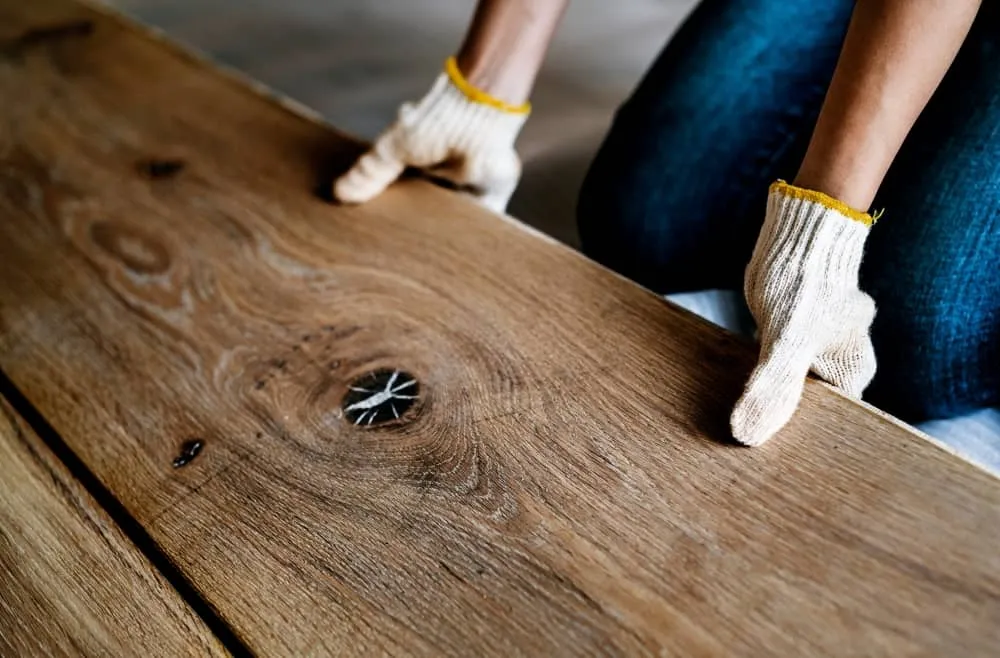
Sustainable flooring materials are no longer just a niche trend for eco-conscious homeowners—they have become a mainstream choice for anyone who cares about health, durability, and long-term value. A few years ago, I visited a friend’s newly renovated home, and the first thing that stood out wasn’t the furniture or lighting, but the flooring. It looked premium, felt warm, and surprisingly, it was made from recycled and renewable resources. That experience changed how I viewed flooring forever.
Today, flooring is more than just a surface to walk on. It plays a role in indoor air quality, environmental impact, and even energy efficiency. With growing awareness of climate change and sustainability, choosing the right flooring can make a meaningful difference without sacrificing style or performance.
This in-depth guide explores the world of sustainable flooring, how it works, why it matters, and the best options available today.
Table of Contents
ToggleWhat Makes Flooring Truly Sustainable?
Sustainability in flooring is not just about using “natural” materials. It’s about the entire lifecycle of the product, from sourcing and manufacturing to installation, maintenance, and disposal.
A flooring material is considered sustainable when it uses renewable resources, has low environmental impact during production, emits minimal toxins, and lasts for many years without frequent replacement. Durability plays a major role because replacing floors often leads to more waste and higher environmental costs.
Another important factor is indoor air quality. Many traditional flooring options release volatile organic compounds (VOCs) that can affect health. Sustainable alternatives focus on low or zero VOC emissions, making homes safer for families, pets, and children.
Why Sustainable Flooring Matters for Modern Homes
The flooring industry is one of the largest contributors to construction waste. Millions of tons of old flooring end up in landfills every year. By choosing eco-friendly materials, homeowners can significantly reduce waste and carbon footprint.
Energy efficiency is another overlooked benefit. Some sustainable flooring types provide better insulation, helping regulate indoor temperatures and reducing heating and cooling costs.
Health is another critical reason. Many homeowners today are concerned about allergies, asthma, and indoor pollution. Flooring made with natural or certified low-emission materials can improve air quality and overall well-being.
Bamboo Flooring: A Fast-Growing Favorite
Bamboo has gained massive popularity as a green flooring option, and for good reason. Unlike hardwood trees that take decades to grow, bamboo regenerates within a few years. This makes it a rapidly renewable resource.
Bamboo flooring is durable, moisture-resistant, and visually similar to hardwood. It works well in living rooms, bedrooms, and even kitchens when properly sealed.
From a sustainability perspective, bamboo has a lower environmental impact compared to traditional hardwood, especially when sourced from responsibly managed plantations. Many manufacturers now use eco-friendly adhesives and finishes, further improving its green credentials.
Cork Flooring: Comfort Meets Sustainability
Cork flooring is another standout option for eco-conscious homeowners. Cork is harvested from the bark of cork oak trees without cutting the tree down, allowing it to regenerate naturally.
One of cork’s biggest advantages is comfort. It feels soft underfoot, provides natural insulation, and reduces noise. This makes it ideal for bedrooms, offices, and apartments.
Cork is also naturally resistant to mold, mildew, and pests, which makes it a healthy choice for indoor environments. With proper sealing and maintenance, cork floors can last for decades.
Reclaimed Hardwood: Giving Wood a Second Life
Reclaimed hardwood flooring is made from wood salvaged from old buildings, barns, and factories. Instead of cutting down new trees, this option reuses existing materials, preserving forests and reducing waste.
Reclaimed wood has a unique character and history. The natural wear and patina add charm and authenticity that new wood simply cannot replicate. Each plank tells a story, making it a favorite for rustic and industrial-style interiors.
While reclaimed hardwood can be more expensive, its durability and aesthetic appeal often justify the investment. It also aligns perfectly with circular economy principles.
Linoleum: The Original Eco-Friendly Flooring
Linoleum is often confused with vinyl, but it is a completely different product. Made from natural materials like linseed oil, cork dust, wood flour, and jute backing, linoleum is biodegradable and renewable.
Linoleum is highly durable, water-resistant, and easy to maintain. It has been used in commercial spaces for over a century and is making a strong comeback in residential design.
Unlike many synthetic flooring options, linoleum does not release harmful VOCs, making it a great choice for families concerned about indoor air quality.
Recycled Carpet Tiles: Sustainable and Practical
Carpet tiles made from recycled materials are a smart choice for offices, basements, and playrooms. Many manufacturers use recycled plastic bottles and fishing nets to produce carpet fibers.
Carpet tiles are modular, meaning individual tiles can be replaced without changing the entire floor. This reduces waste and extends the lifespan of the flooring system.
Modern recycled carpets are designed to be stain-resistant, durable, and stylish, proving that sustainability doesn’t mean compromising on design.
Sustainable Tile Options: Ceramic and Porcelain
Ceramic and porcelain tiles can be sustainable when produced responsibly. Many manufacturers now use recycled content and energy-efficient kilns to reduce environmental impact.
Tiles are extremely durable and long-lasting, which makes them a sustainable choice from a lifecycle perspective. They are also easy to clean and resistant to moisture, making them ideal for kitchens and bathrooms.
When selecting tiles, look for certifications that indicate eco-friendly manufacturing practices and recycled content.
Engineered Wood with Certified Wood Sources
Engineered wood flooring can be sustainable when sourced from certified forests. Organizations like FSC (Forest Stewardship Council) ensure responsible forestry practices.
Engineered wood uses less solid wood than traditional hardwood, making better use of timber resources. It also offers greater stability and resistance to moisture and temperature changes.
Choosing engineered wood with low-VOC adhesives and finishes can further improve its environmental profile.
The Role of Certifications in Sustainable Flooring
Certifications help homeowners identify truly sustainable products. Labels like FSC, GREENGUARD, FloorScore, and Cradle to Cradle indicate environmental responsibility and low emissions.
These certifications provide transparency and trust, helping consumers make informed decisions. When shopping for flooring, always ask for certification documentation.
Sustainable Flooring in Real-Life Homes
I once worked with a homeowner renovating a small apartment who wanted a modern look without harming the environment. They chose bamboo flooring for the living area and cork for the bedroom. Not only did the apartment look stylish, but the homeowner also reported improved comfort and reduced energy bills.
Another family replaced old vinyl flooring with linoleum and noticed fewer allergy symptoms in their children. These real-life experiences show that eco-friendly flooring is not just a trend but a practical lifestyle upgrade.
Cost Considerations and Long-Term Value
Sustainable flooring options can sometimes have a higher upfront cost, but they often provide better long-term value. Durability, reduced maintenance, and energy savings can offset the initial investment.
Additionally, eco-friendly homes are increasingly attractive to buyers, which can increase property value. Sustainable flooring can be a selling point in real estate markets.
Installation and Maintenance for Eco-Friendly Floors
Proper installation plays a major role in sustainability. Using low-VOC adhesives and professional installation techniques can reduce environmental impact and improve indoor air quality.
Maintenance is also important. Many sustainable floors require simple cleaning with eco-friendly products, reducing the need for harsh chemicals.
Choosing durable materials and maintaining them well ensures they last longer, reducing the need for replacements and waste.
Sustainable Flooring Materials in Modern Interior Design
Sustainable flooring materials are not just about environmental responsibility; they are also a key element of modern interior design. Designers are increasingly using eco-friendly floors to create warm, natural, and contemporary spaces.
Bamboo, cork, and reclaimed wood pair beautifully with minimalist, Scandinavian, and industrial styles. Linoleum and tiles work well in modern kitchens and bathrooms, offering sleek finishes and vibrant colors.
The versatility of sustainable flooring allows homeowners to express their style while staying environmentally conscious.
Sustainable Flooring Materials and Indoor Air Quality
Sustainable flooring materials play a significant role in improving indoor air quality. Traditional flooring can release chemicals that linger in the air, contributing to headaches, allergies, and respiratory issues.
Eco-friendly flooring options often use natural materials and low-emission finishes, reducing VOC levels. This makes them ideal for homes with children, elderly residents, or people with sensitivities.
Improved air quality also enhances overall comfort and productivity, especially in home offices and living spaces.
The Future of Sustainable Flooring
The flooring industry is evolving rapidly, with innovations in recycled materials, biodegradable composites, and carbon-neutral manufacturing. Companies are investing in research to develop floors that are not only sustainable but also smart and multifunctional.
Some emerging technologies include flooring that absorbs pollutants, regulates temperature, or integrates smart sensors. These advancements will further transform how we think about flooring in sustainable homes.
How to Choose the Right Sustainable Flooring for Your Home
Selecting the right flooring depends on lifestyle, budget, and room usage. High-traffic areas like living rooms and hallways benefit from durable materials like bamboo, engineered wood, or tiles. Bedrooms and offices may benefit from cork or carpet tiles for comfort and acoustics.
Consider moisture levels in kitchens and bathrooms, where tiles or sealed linoleum perform best. Always evaluate certifications, durability, and maintenance requirements before making a decision.
Environmental Impact Beyond the Home
Choosing sustainable flooring also impacts the broader environment. Responsible sourcing protects forests, reduces landfill waste, and lowers carbon emissions. Supporting companies that prioritize sustainability encourages the industry to adopt greener practices.
Every flooring choice contributes to a larger movement toward sustainable construction and responsible consumption.
Sustainable Flooring Materials in Renovation and Remodeling Projects
Sustainable flooring materials are becoming a top choice in renovation and remodeling projects. Homeowners are increasingly replacing old, toxic, and worn-out floors with eco-friendly alternatives.
Renovation is an opportunity to improve both aesthetics and environmental performance. Many contractors now recommend green flooring as part of energy-efficient home upgrades.
This shift reflects a growing awareness that home improvement should benefit both homeowners and the planet.
Practical Tips for Maximizing Sustainability
Even the most eco-friendly flooring can lose its benefits if not handled correctly. Choose installers who follow sustainable practices and use environmentally friendly products.
Recycle old flooring whenever possible. Some materials, like carpet tiles and wood, can be repurposed or recycled instead of sent to landfills.
Use natural cleaning products to maintain floors and reduce chemical exposure. Small choices can make a big difference over time.
Final Thoughts on Sustainable Flooring Trends
Sustainable flooring is not just about following a trend; it is about making conscious choices that improve quality of life and protect the environment. With a wide range of stylish, durable, and eco-friendly options available, homeowners no longer have to choose between beauty and sustainability.
By understanding materials, certifications, and long-term benefits, anyone can create a home that is both beautiful and responsible. Whether you are building a new home or renovating an existing one, eco-friendly flooring is a smart investment for the future.
Read also:-
