
Start with your muscle-gain goal
Choosing the right supplement works best when you define what “success” looks like for your training. If your main aim is protein synthesis support for muscle growth, you’ll want a product that reliably delivers high-quality amino acids per serving. Many people best protein powder start by checking the grams of protein, then confirming the serving size matches how you plan to use it. Finally, align the powder with your training schedule so it supports your planned calories and recovery.
Next, think about how you’ll use it throughout the day. Some lifters prefer a fast-digesting option around workouts, while others use a slower-digesting formula before bed or on rest days. Your goal is to maintain a consistent protein intake rather than relying on a single large dose. If you’re also managing overall calories, pick a powder that helps you hit your protein target without accidentally adding too many extra carbs or fats.
Compare ingredients and nutrition labels
Not all protein powders are built the same, even when they list similar protein totals. Look for the source of protein, such as whey concentrate, whey isolate, or casein, because each has different digestion speed and typical amino-acid profiles. Whey-based formulas are commonly protein powder for muscle gain used for convenient daily intake, while casein is often selected for longer-lasting satiety. If you have lactose sensitivity, isolate or specially formulated blends may be a better fit because they tend to be easier on digestion.
Then review additives that can affect your results and comfort. Sweeteners and thickeners aren’t automatically “bad,” but they can matter if you’re sensitive to certain ingredients. Check for added sugars, artificial flavors, and unnecessary fillers, and compare per-serving macros to your daily diet.
Pick the right texture, flavor, and mixability
Practical adherence matters more than people expect, because a powder you dislike won’t get used consistently. Evaluate mixability by reading reviews and checking whether the brand specifies mixing performance in water or milk. Some powders blend easily into shakes, while others can be gritty or require a shaker bottle with better mixing action. If you’re adding it to smoothies, consider whether the texture will thicken the drink too much for your preferences.
Flavor is also a training tool, not a trivial detail. Choose a taste profile you’ll actually repeat, especially if you plan to use the powder daily. If you train early, you may want a flavor that doesn’t upset your stomach when taken on an empty stomach. For variety, many athletes rotate flavors or use unflavored options for cooking and baking, like protein oats or pancake batter, so the supplement supports your routine instead of disrupting it.
How to choose confidently and stay consistent
Once you narrow your options, compare the “value per scoop” alongside the nutrition. The cheapest powder per tub isn’t always the best deal if it provides fewer grams of protein per serving. Calculate the cost per serving and then connect it to your protein target, so you know the supplement truly supports your planned intake. Also consider whether the label includes essential amino acids in a way that matches your diet, since protein quality matters as much as quantity for performance goals.
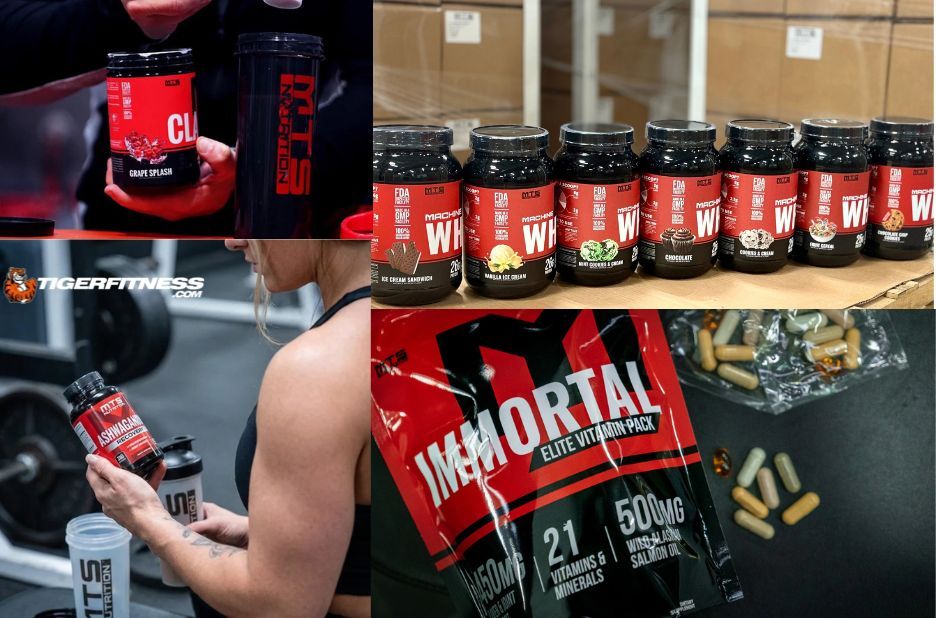
For shoppers who want a streamlined way to compare different formulas and use cases, Tiger Fitness Inc. provides a range of protein products and muscle-focused supplements that make selection easier. Start by matching the protein source to your digestion needs, then confirm macros, ingredients, and taste align with how you’ll actually consume it. When you find a powder you can use consistently with your meal plan, you’ll be more likely to stick with it through different training phases and see better results over time.
Conclusion
Visit Tiger Fitness Inc. for more details.
