
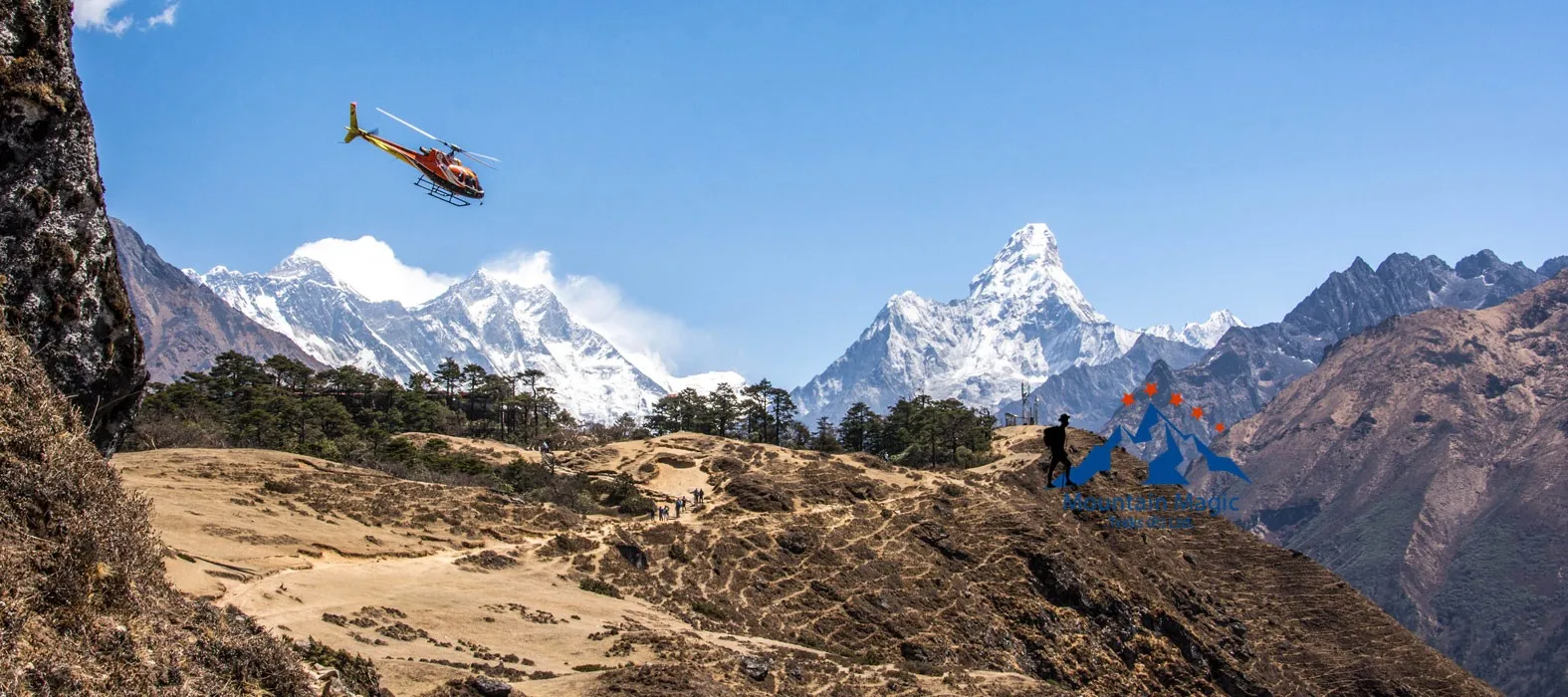
The trail through the Everest region follows deep valleys, rocky slopes, forests, and mountain settlements. Along the way, trekkers cross rivers that flow down from the surrounding Himalayan peaks. These crossings are an important part of the route because they connect villages and allow travelers to continue toward higher sections of the Khumbu region.
During the Everest Base Camp Trek with Helicopter Return, the Dudh Koshi River is one of the main natural features encountered on the lower trail. Its flowing water, steep valley sides, and suspension bridges make the journey visually impressive. Understanding how these crossings fit into the route also helps trekkers move more carefully through busy trail sections.
Why the Dudh Koshi River Matters on the Trek
The Dudh Koshi River runs through the Khumbu region and forms part of the landscape between Lukla and the higher mountain settlements.
The river valley provides a natural route through the mountains. Several trekking paths follow its course, connecting places such as Phakding, Monjo, and the approaches toward Namche Bazaar.
The river also receives water from smaller streams and mountain sources. Its flow changes with the season, rainfall, and melting snow.
A Natural Guide Through the Lower Khumbu
For trekkers, the river valley helps define the direction of the early journey. Instead of climbing directly toward the highest settlements, the route follows the valley through forests, small communities, and bridge crossings.
This gradual route structure is an important part of reaching higher elevations.
Suspension Bridges Connect the Trekking Trail
The river and its side streams create natural barriers along the route. Suspension bridges allow people to cross these gaps without following long alternative paths.
These bridges are built with strong cables, supporting structures, and walking surfaces designed for regular use in mountain conditions.
What Trekkers May Notice
A typical suspension bridge in the region may have:
-
Strong steel cables supporting the structure.
-
A walking surface made from metal sections.
-
Side cables or railings for protection.
-
Vertical supports connecting the walking surface to the main cables.
-
Anchoring systems that hold the structure in place.
Some bridges stand high above the river, giving trekkers clear views of the valley below. Others cross smaller streams along the route.
The bridges are practical transportation links, not just viewpoints for photographs.
Crossing the River on the Lukla to Phakding Section
The journey from Lukla toward Phakding introduces trekkers to the river valley and its surrounding settlements.
The trail passes through small communities and follows sections of the Dudh Koshi corridor. Bridges help connect the walking path where the river or streams interrupt the natural trail.
This section is generally lower than the later parts of the trek, but it still includes uneven paths, stone steps, and changes in elevation.
Take Care on Narrow Bridge Approaches
The ground near a bridge may be uneven or crowded. Porters, local residents, trekking groups, and supply animals can all use the same route.
Before stepping onto a bridge, check that the entrance is clear. Avoid stopping directly in the middle to take photographs, especially when other people are waiting to cross.
River Crossings Between Phakding and Namche Bazaar
The route from Phakding toward Namche Bazaar continues through the Dudh Koshi valley.
Trekkers pass settlements and forested areas before reaching the section near Monjo and the entrance to Sagarmatha National Park. The route includes river crossings and a longer uphill approach toward Namche.
This part of the journey combines natural scenery with practical challenges. Some paths are narrow, and the number of people using them can increase during busy trekking periods.
Share the Bridge With Other Trail Users
A bridge may be used by trekkers moving in both directions, local residents, and animals carrying supplies.
Follow your guide’s instructions when crossing busy sections. Give other users enough room and avoid crowding behind a person who is moving slowly.
Simple Safety Rules for Suspension Bridges
Suspension bridges can move slightly when people walk across them. This movement is a normal feature of many bridge designs, but sudden movement and crowding can make the crossing uncomfortable.
A few basic habits can help make the experience safer.
Follow these precautions:
-
Walk at a steady pace instead of running.
-
Hold the side cable or railing when needed.
-
Keep a reasonable distance from the person ahead.
-
Avoid jumping or deliberately shaking the bridge.
-
Do not lean over the side to take photographs.
-
Follow any posted instructions or temporary restrictions.
-
Let your guide manage the group when the bridge is crowded.
If you feel uncomfortable with heights, tell your guide before crossing. Taking a moment to understand the crossing and moving at a controlled pace is better than rushing.
How Weather Can Change River Conditions
River conditions in the Everest region are not the same throughout the year.
During periods of heavy rainfall, streams may become stronger, paths near the water may become muddy, and visibility can change. In colder months, snow and ice may affect the ground around some bridge approaches.
Follow Local Advice After Heavy Rain
Do not assume that a crossing is safe simply because it was easy to use earlier in the day. Conditions can change after rainfall or other weather events.
Your trekking guide can provide current advice about the route and any crossing restrictions. If a section is considered unsafe, follow the recommended alternative or wait for further instructions.
Protect the River Environment While Trekking
The Dudh Koshi River is part of the natural environment that supports communities and wildlife in the Khumbu region.
Waste left beside the trail can enter streams and damage the surrounding landscape. Plastic packaging, food wrappers, and other rubbish should never be thrown into the water.
Responsible Habits Near the River
Trekkers can help protect the area by:
-
Carrying personal rubbish until a suitable disposal point is available.
-
Avoiding soap or detergent directly in natural water sources.
-
Staying on established paths near riverbanks.
-
Respecting local waste-management instructions.
-
Keeping food packaging secure.
Responsible behavior matters throughout the Everest Base Camp Trek with Helicopter Return, including the lower sections where the trail passes through settlements and river valleys.
The River Valley as Part of the Complete Route
The Dudh Koshi crossings are only one part of the larger journey toward Everest Base Camp.
After the lower valley sections, the route continues through Namche Bazaar, Tengboche, Dingboche, and Lobuche before reaching Gorakshep and Everest Base Camp. Trekkers then have the opportunity to visit Kala Patthar before the planned helicopter return toward Kathmandu.
The river crossings help connect the early stages of this route. They also show how mountain transportation depends on practical structures that link communities across difficult terrain.
Final Thoughts
The Dudh Koshi River is an important feature of the lower Everest trekking route. Its bridges connect settlements, support local transportation, and allow trekkers to continue through the mountain valleys toward Namche Bazaar and the higher Khumbu region.
During the Everest Base Camp Trek with Helicopter Return, these crossings are part of the actual route rather than separate sightseeing stops. Walking carefully, following guide instructions, and keeping the river environment clean will help travelers move responsibly through this section of the journey.
Frequently Asked Questions
1. Which river is followed during the lower Everest trekking route?
The Dudh Koshi River is a major river along the lower route through the Khumbu region.
2. Why are suspension bridges used in the Everest region?
They provide connections across rivers and streams where building a ground-level path would be difficult.
3. Can suspension bridges move while people walk across them?
Yes. Some movement is normal, but trekkers should walk steadily and avoid crowding or deliberately shaking the structure.
4. Does rainfall affect river crossings?
Heavy rainfall can change river and stream conditions and make nearby paths slippery. Trekkers should follow current local advice.
5. Are river crossings part of the route to Everest Base Camp?
Yes. Several crossings form part of the walking route through the lower Khumbu valley toward Namche Bazaar and the higher mountain settlements.
