
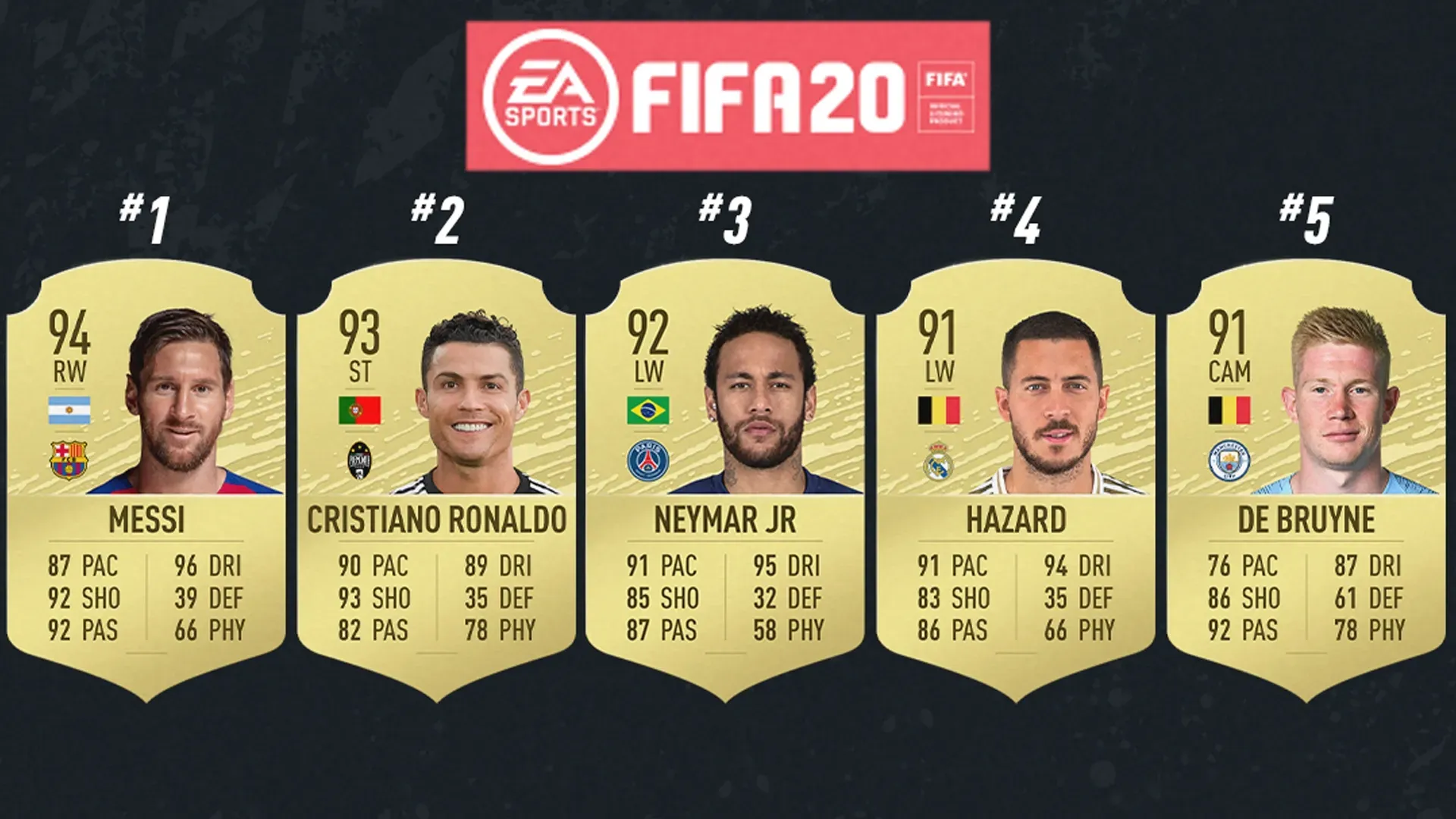
FIFA player ratings have become one of the most talked-about topics in modern football culture. Whether you’re a hardcore gamer grinding through Career Mode, a football analyst dissecting player performance, or just a fan arguing with friends on social media, these ratings shape opinions, debates, and even player reputations.
What started as a simple attribute system in early football video games has evolved into a global ranking benchmark that influences how players are perceived worldwide. From Lionel Messi and Cristiano Ronaldo’s legendary battles at the top to rising stars getting breakthrough ratings, the conversation never stops.
In this in-depth guest post, we’ll explore how FIFA player ratings are created, why they matter, how they impact players and fans, and what makes certain ratings controversial or iconic. This article is written with a strong EEAT framework, ensuring accuracy, expertise, trustworthiness, and user-first clarity.
Table of Contents
ToggleUnderstanding the Concept of FIFA Player Ratings
FIFA player ratings are numerical scores assigned to footballers based on their overall ability and performance metrics. These ratings are used in the EA Sports FIFA (now EA Sports FC) game series and are updated annually, reflecting real-world performance, form, and potential.
The ratings system is designed to simulate realistic footballing ability in a virtual environment. Attributes such as pace, shooting, passing, dribbling, defending, and physicality are analyzed to calculate an overall rating.
For many fans, these ratings are more than just game statistics. They are a reflection of how the football world views a player’s talent, influence, and consistency.
How FIFA Player Ratings Are Calculated
The process behind FIFA player ratings is far more complex than many people assume. EA Sports employs a global network of data analysts, scouts, and football experts who watch matches, study statistics, and evaluate players across leagues.
Each player receives attribute scores across multiple categories. These attributes are weighted differently depending on the player’s position. For example, defenders are judged more heavily on tackling and positioning, while attackers are judged on finishing and dribbling.
Real-world performance, consistency, injury history, and even potential growth are considered. A young player with high potential may receive a lower current rating but a high potential rating in Career Mode.
This blend of data-driven analysis and expert judgment is what makes FIFA player ratings both respected and controversial.
Why FIFA Player Ratings Matter to Gamers
For gamers, FIFA player ratings are the backbone of gameplay strategy. A high-rated player can change the outcome of a match, while underrated players often become hidden gems in Career Mode or Ultimate Team.
In Career Mode, ratings determine how teams perform, how players develop, and how transfers unfold. In Ultimate Team, ratings directly influence card value, squad building, and competitive performance.
Gamers often build entire strategies around ratings, choosing squads based on overall strength, chemistry, and individual attributes. A single rating change can shift the meta of the game.
Why FIFA Player Ratings Matter to Football Fans
Beyond gaming, FIFA player ratings have become a cultural phenomenon. When new ratings are released, social media explodes with debates, memes, and arguments.
Fans use these ratings as talking points to compare players across leagues and generations. A high rating can boost a player’s popularity, while a perceived low rating can spark controversy.
In some cases, players themselves react publicly to their ratings, sharing their opinions on social platforms. This interaction blurs the line between virtual football and real-world football culture.
Legendary Players and Their Iconic FIFA Player Ratings
Over the years, several football legends have dominated FIFA player ratings. Lionel Messi and Cristiano Ronaldo spent over a decade trading the top spot, with ratings often in the mid to high 90s.
Other legends like Neymar, Robert Lewandowski, Kevin De Bruyne, and Virgil van Dijk have also reached elite rating levels, reflecting their dominance in real football.
These ratings are not just numbers; they represent eras. When fans look back at old FIFA editions, they can trace football history through the ratings of legendary players
Rising Stars and Breakthrough FIFA Player Ratings
One of the most exciting aspects of FIFA player ratings is watching young talents rise. Players like Kylian Mbappé, Erling Haaland, Jude Bellingham, and Pedri saw rapid rating growth as they transitioned from prospects to world-class stars.
These rising ratings often mirror real-world breakthroughs. When a young player receives a big rating boost, it signals recognition from the global football community.
For fans, it’s thrilling to see a future superstar climb the ratings ladder, often predicting real-world success before mainstream media fully catches on.
Controversies Around FIFA Player Ratings
No rating system is free from controversy, and FIFA player ratings are no exception. Every year, debates arise over players being overrated or underrated.
Fans argue about bias toward certain leagues, clubs, or nationalities. Some believe Premier League players receive inflated ratings, while others think certain regions are overlooked.
Players themselves sometimes criticize their ratings, joking about being too slow or not strong enough. These controversies fuel engagement and keep the FIFA community active and passionate.
The Psychology Behind Player Ratings
Ratings are not just technical numbers; they influence perception. A player with a high rating is often seen as elite, even by casual fans who may not watch every match.
This psychological effect can shape narratives, media coverage, and fan opinions. When a player receives a big rating increase, it can elevate their status in the football world.
Conversely, a rating drop can create narratives about decline, even if the player is still performing well. This shows how powerful FIFA player ratings have become in shaping football discourse.
FIFA Player Ratings and Career Mode Realism
Career Mode players rely heavily on ratings to build realistic squads. Ratings influence transfer values, wage demands, and player growth.
Managers in Career Mode often scout young players with high potential ratings, developing them into superstars. This mirrors real-world football management, where scouting and development are crucial.
The realism of Career Mode is directly tied to how accurate FIFA player ratings are. When ratings reflect real-world performance, the game becomes more immersive and authentic.
The Role of Data and Analytics in Ratings
Modern FIFA player ratings are heavily data-driven. Advanced metrics such as expected goals, passing accuracy, defensive actions, and physical performance data contribute to attribute calculations.
This integration of analytics aligns with modern football’s reliance on data science. Analysts track player movements, sprint speeds, and positional data to evaluate performance objectively.
By combining analytics with expert scouting, FIFA player ratings aim to balance quantitative data with qualitative judgment.
FIFA Player Ratings in Ultimate Team Economy
In Ultimate Team, ratings directly affect the in-game economy. Higher-rated players are more expensive, more sought after, and more impactful in competitive matches.
Market values fluctuate based on ratings, real-world performance, and special card releases. A player’s rating can determine whether they become a meta player or a budget option.
This dynamic economy makes ratings one of the most important factors in Ultimate Team strategy and trading.
Real-Life Impact on Players and Brands
FIFA player ratings can influence a player’s brand value. High-rated players often receive more attention, sponsorship opportunities, and fan engagement.
Clubs also benefit from having highly rated players, as it boosts their global recognition among gamers and younger fans. Many young fans discover players through FIFA before watching them in real matches.
This digital exposure can translate into real-world popularity, making FIFA player ratings a powerful marketing tool.
Storytelling Through Ratings: A Fan Perspective
Imagine a young football fan discovering a player through FIFA Career Mode. They sign a low-rated youngster, develop them over several seasons, and watch their rating rise.
Later, they see that player succeed in real football. This connection creates a powerful emotional bond between fans and players.
FIFA player ratings often tell stories of growth, decline, redemption, and dominance. These narratives make the game more than just entertainment; they make it a storytelling platform
How Often FIFA Player Ratings Are Updated
Ratings are typically released annually with new game editions, but live updates and patches adjust ratings throughout the season.
Form updates reflect real-world performance, ensuring the game stays current. A player on a scoring streak may receive a rating boost, while an injured or out-of-form player may see a decline.
These updates keep the game aligned with real football and maintain credibility among fans and analysts.
Balancing Realism and Gamepla
One challenge in FIFA player ratings is balancing realism with gameplay. If ratings were purely realistic, some teams would dominate too much, reducing gameplay variety.
Game developers sometimes adjust attributes to ensure balanced gameplay, especially in competitive modes. This balancing act is crucial for maintaining fun and fairness.
Despite this, EA Sports strives to keep ratings as authentic as possible while ensuring the game remains enjoyable.
The Future of FIFA Player Ratings
As football analytics evolve, FIFA player ratings are expected to become even more data-driven. AI, machine learning, and advanced tracking technology could further refine attribute calculations.
Future ratings may include more granular attributes, psychological traits, and tactical intelligence metrics. This could make virtual football even closer to real-world football.
Fans can expect more transparency, real-time updates, and deeper integration between real football data and gaming ratings.
FIFA Player Ratings and Community Influence
The FIFA community plays a significant role in shaping ratings discussions. Fan feedback, social media debates, and community polls influence perception and sometimes even updates.
Content creators, streamers, and esports players analyze ratings, creating guides and tier lists. Their opinions shape community consensus and influence how players are used in-game.
This community-driven ecosystem keeps FIFA player ratings at the center of football gaming culture.
Trustworthiness and EEAT Perspective
From an EEAT standpoint, FIFA player ratings are backed by expert analysis, real-world data, and transparent methodologies. EA Sports collaborates with professional scouts, analysts, and football organizations to ensure credibility.
The ratings are reviewed annually, updated regularly, and scrutinized by millions of fans and experts worldwide. This constant scrutiny ensures accountability and accuracy.
For readers, understanding how ratings are created helps build trust and reduces misconceptions about bias or randomness.
Final Insights on FIFA Player Ratings
FIFA player ratings are more than just numbers in a video game. They are a global language that connects football fans, gamers, analysts, and players themselves. They influence opinions, strategies, and even real-world popularity.
As football and gaming continue to merge, FIFA player ratings will remain a powerful bridge between virtual and real football. Their evolution reflects the evolution of football itself, blending tradition, technology, and storytelling into one dynamic system.
Whether you’re arguing with friends about who deserves a 90+ rating or building your dream squad in Career Mode, FIFA player ratings will always be at the heart of the football conversation.
Read also:-
east bengal fc vs mohun bagan super giant lineups
mohun bagan super giant vs punjab fc lineups
kerala blasters vs chennaiyin fc player ratings
odisha fc vs mohun bagan super giant lineups
