
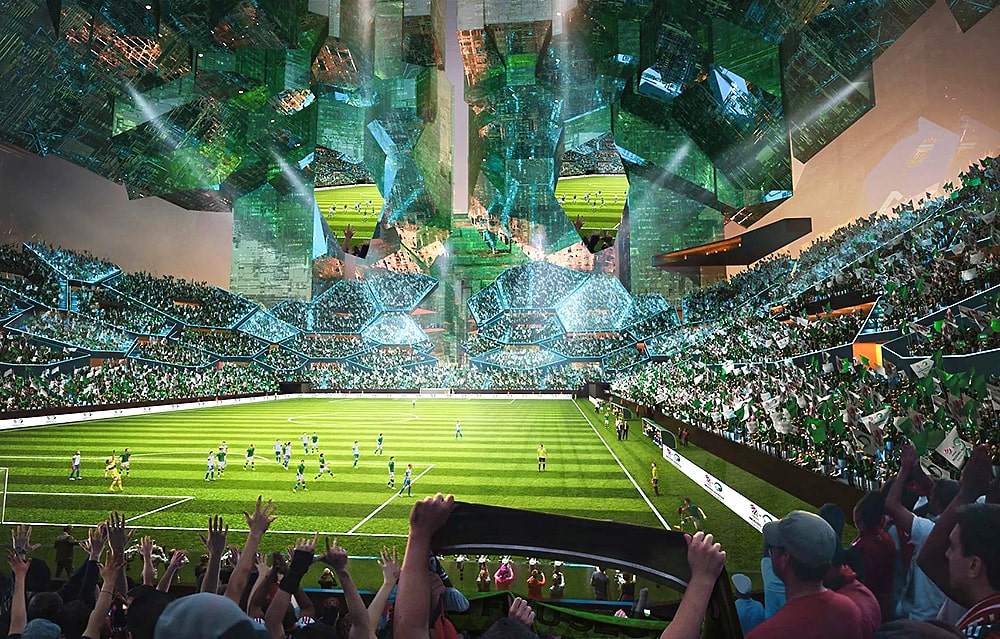
Next-gen football stadiums are transforming the way fans experience football, merging cutting-edge technology, sustainable architecture, and immersive entertainment. These stadiums are more than venues—they are destinations that enhance both fan engagement and athlete performance.
From interactive seating to advanced LED displays, next-gen football stadiums offer experiences that traditional arenas could never achieve. Clubs and cities are investing heavily in these facilities, recognizing their potential to boost attendance, revenue, and international reputation.
Real-world examples such as the new Tottenham Hotspur Stadium in London and the Allianz Arena in Munich demonstrate how innovation can combine with heritage to create truly unique football environments. Fans today expect more than just a match—they crave an experience, and next-gen football stadiums deliver on that promise.
Innovative Design in Next-Gen Football Stadiums
The architecture of next-gen football stadiums focuses on visibility, accessibility, and comfort. Designers integrate tiered seating for optimal sightlines, climate control for year-round comfort, and sustainable materials to reduce environmental impact.
Some stadiums employ retractable roofs, modular seating, and multi-purpose facilities, allowing venues to host concerts, events, and even esports tournaments. This versatility increases revenue opportunities and ensures the stadium remains active beyond football matches.
Innovation also includes smart wayfinding systems, contactless entry, and mobile app integration, providing fans with a seamless and personalized experience. Next-gen football stadiums are designed to make attending a match effortless, enjoyable, and memorable.
Advanced Technology Integration
Technology is the cornerstone of next-gen football stadiums. High-speed Wi-Fi, augmented reality displays, and large-scale LED screens immerse fans in every moment of the game.
Some stadiums now offer in-seat ordering for food and beverages, VR replays of key plays, and AI-powered fan engagement tools. For athletes, these stadiums provide advanced analytics, player tracking systems, and optimized lighting to enhance performance during both day and night games.
Fans are no longer passive spectators. With these technologies, next-gen football stadiums turn every match into an interactive, immersive experience that blends the thrill of live football with the convenience of digital engagement.
Sustainability and Green Initiatives
Environmental responsibility is a defining feature of next-gen football stadiums. From solar panels to rainwater harvesting systems, these stadiums are designed to minimize ecological impact.
Energy-efficient lighting, smart HVAC systems, and sustainable building materials reduce carbon footprints. For example, some modern stadiums generate a significant portion of their energy needs on-site, while others incorporate green roofs and vertical gardens.
Fans appreciate venues that reflect social responsibility. By integrating sustainability, next-gen football stadiums not only enhance brand reputation but also inspire communities to embrace eco-friendly practices.
Enhanced Fan Engagement
Fan engagement is at the heart of next-gen football stadiums. Interactive apps, social media integration, and gamified experiences allow fans to participate in real-time polls, vote for player-of-the-match, or even access exclusive behind-the-scenes content.
Hospitality suites, lounges, and fan zones elevate the match-day experience, making stadium visits feel like a full-day event rather than a simple sporting fixture. Clubs recognize that emotionally invested fans are more likely to return, buy merchandise, and participate in club initiatives.
This focus on engagement ensures that next-gen football stadiums are not just about watching the game—they are about being part of a community and creating lasting memories.
Case Studies: Transformative Stadiums
Several stadiums around the world exemplify the impact of next-gen football stadiums. Tottenham Hotspur Stadium integrates retractable seating, VR experiences, and a flexible pitch design, making it suitable for both NFL and football matches.
Allianz Arena in Munich is renowned for its illuminated façade, creating a visual spectacle that engages fans before they even enter. Meanwhile, AT&T Stadium in Dallas combines massive HD screens, retractable roof technology, and immersive sound systems to deliver unmatched entertainment.
These examples highlight that next-gen football stadiums are not just functional—they are iconic, blending sport, architecture, and technology in ways that captivate fans and inspire awe.
Safety and Accessibility
Safety and accessibility are central to next-gen football stadiums. Crowd management systems, AI-assisted security monitoring, and emergency protocols ensure fan safety at all times.
Accessibility is also prioritized, with ramps, elevators, and seating designed for individuals with disabilities. Inclusive facilities ensure everyone can enjoy the football experience equally, reflecting modern values of equity and responsibility.
Advanced surveillance, facial recognition, and predictive analytics enable stadium operators to manage crowds efficiently while enhancing the fan experience, making next-gen football stadiums both secure and welcoming.
Future Trends in Stadium Design
The next decade promises even more innovations in next-gen football stadiums. Holographic displays, AI-assisted crowd analytics, and enhanced virtual reality experiences will redefine how fans interact with live events.
Sustainability will continue to be a priority, with stadiums becoming zero-energy structures powered entirely by renewable sources. Multi-use stadiums will host sports, concerts, and community events seamlessly, ensuring they remain central hubs in cities worldwide.
Fans can also expect more personalized experiences, with AI predicting preferences for seating, food, and interactive content, further blending digital and physical engagement. These trends reinforce why next-gen football stadiums are shaping the future of sports entertainment.
Economic and Community Impact
Next-gen football stadiums are more than just venues—they are economic catalysts. Modern stadiums attract tourism, create jobs, and boost local businesses, making them key contributors to urban development.
Community programs integrated into stadium facilities offer youth training, educational initiatives, and public health programs. These initiatives strengthen the connection between clubs and local residents, creating a sense of pride and engagement beyond football.
By balancing entertainment, economic development, and community impact, next-gen football stadiums demonstrate the multidimensional role that modern sports venues play in society.
Read also:
england national football team vs greece national football team lineups
france national football team vs croatia national football team timeline
uruguay national football team vs colombia national football team matches
ecuador national football team vs brazil national football team lineups

27 comments
viagra for men
viagra for men
dutasteride prescription cost
dutasteride prescription cost
fluconazole 100 mg tablet for yeast infection
fluconazole 100 mg tablet for yeast infection
stendra tablet online
stendra tablet online
lasix water pill
lasix water pill
dexlansoprazole generic for dexilant
dexlansoprazole generic for dexilant
zudena 200 udenafil tablet
zudena 200 udenafil tablet
lasix diuretic pill
lasix diuretic pill
everyday cialis reviews
everyday cialis reviews
cheap generic viagra
cheap generic viagra
vidalista professional 20 mg
vidalista professional 20 mg
bluechew sildenafil instructions
bluechew sildenafil instructions
orlistat medication reddit
orlistat medication reddit
creon cause diarrhea
creon cause diarrhea
levitra manufacturer
levitra manufacturer
dapoxetine sildenafil 50mg
dapoxetine sildenafil 50mg
sémaglutide injection prix état de new york
sémaglutide injection prix état de new york
semaglutid tabletter pris
semaglutid tabletter pris
semaglutid tablete cijena
semaglutid tablete cijena
minoxidil vs rogaine
minoxidil vs rogaine
cialis india brands
cialis india brands
bupropion xl 300 mg tablet
bupropion xl 300 mg tablet
ketoconazole medical uses
ketoconazole medical uses
vardenafil 10 mg dose details
vardenafil 10 mg dose details
avanafil physiological mechanism
avanafil physiological mechanism
avanafil online safety measures
avanafil online safety measures
Timing Consistency Concepts
Timing Consistency Concepts
Comments are closed.