
Local digital marketing helps small businesses reach people who live nearby. A useful starting point is felivo.it.com, where businesses can explore practical ways to improve their online presence. Many small companies depend on nearby customers for regular sales. They may serve one town, several neighbourhoods, or an entire city. Their marketing needs are different from those of large national brands. They do not always need expensive campaigns or complicated advertising systems. What matters most is reaching people who can actually become customers.
A local business can have excellent products and still struggle online. Sometimes customers simply cannot find the business through search engines. Other times, people discover the website but cannot find important details. Missing phone numbers, unclear service descriptions, and outdated opening hours create unnecessary problems. These small issues can affect customer decisions more than expected. Local digital marketing brings these details together in one place. It helps businesses become easier to discover, understand, and contact.
Understanding Local Search Behaviour
People often search online when they need something nearby. They may look for a repair service, restaurant, clothing shop, or salon. Their searches usually include a service and location together. Someone might search for a bakery near their neighbourhood. Another person could search for affordable computer repair services nearby. These searches often show a clear interest in buying something. Businesses should understand this behaviour before planning their marketing activities.
Local search behaviour changes depending on customer needs and urgency. A person looking for emergency repairs wants quick contact information. Someone searching for a restaurant may compare menus and reviews. A customer looking for a salon might check photographs first. These different intentions require useful information on business websites. A single general description rarely answers every customer question. Businesses should explain their services with clear and specific language.
Location-based keywords can help search engines understand business relevance. However, repeating city names across every paragraph looks unnatural. A better approach includes locations where they genuinely matter. Service pages can mention the areas that businesses actually cover. Blog articles can answer questions from the local audience. Contact pages should provide accurate location and communication details. This creates a more useful experience for both visitors and search engines.
Building A Complete Business Profile
A business profile helps customers discover important information quickly. It can display the address, contact details, opening hours, and photographs. Owners should check these details regularly because information sometimes changes. An incorrect phone number can send potential customers elsewhere. Outdated opening hours may create confusion during important business days. Even small mistakes can weaken customer confidence before contact.
Business descriptions should explain the actual products and services. Avoid filling the description with unrelated keywords or exaggerated claims. Customers want to understand what the business provides clearly. Mention important services, relevant locations, and useful business details. Photographs should represent the real premises, products, or completed work. Genuine images usually communicate more than generic promotional graphics.
Profiles also need regular attention after their initial setup. Owners should respond to customer questions whenever possible. New photographs can show current products and recent improvements. Service details should change when the business updates its offerings. Regular maintenance keeps the information useful and trustworthy. A neglected profile may slowly become less helpful to visitors.
Creating Useful Location Pages
Location pages explain where a business provides its services. They can help customers understand whether the business serves their area. A company operating across several cities may need separate pages. Each page should provide information relevant to that location. Copying identical content and changing city names offers little value. Visitors should find genuinely useful details on every page.
A good location page explains available services and coverage areas. It can mention nearby landmarks when those references are accurate. Customers may also appreciate information about appointments and availability. The page should include contact options and clear next steps. Photographs can help visitors recognise the business or its work. Keep the information organised without making the page unnecessarily complicated.
Businesses should avoid creating pages for places they never serve. Such pages can disappoint visitors who expect local assistance. They may also create confusion about the actual business location. Honest service coverage is better than exaggerated geographic claims. Focus on locations where the company can genuinely help customers. Quality information should remain more important than page quantity.
Making Websites Mobile Friendly
Many local customers search through their mobile phones today. They may be walking, travelling, or comparing services quickly. A website must work properly on smaller screens. Text should remain readable without constant zooming or horizontal scrolling. Buttons need enough space for comfortable tapping. Important contact information should be easy to locate.
Page loading speed also affects the browsing experience significantly. Large photographs can make a website slower than necessary. Unused scripts and unnecessary design elements create additional loading problems. Businesses should compress images without making them look poor. They can also remove features that provide little practical value. A simple website can perform better than an overloaded design.
Mobile visitors usually want quick answers from business websites. They should find services, prices, addresses, and contact details easily. Long introductions can push useful information too far downward. Place important details where visitors can reach them quickly. Contact buttons should work properly across common mobile browsers. Testing the website regularly can reveal problems early.
Collecting Genuine Customer Reviews
Customer reviews influence how people evaluate local businesses online. Many customers compare feedback before contacting an unfamiliar company. Reviews can explain service quality through real customer experiences. They may also highlight problems that business owners overlook. Positive feedback can strengthen confidence among new visitors. Negative feedback can reveal areas requiring immediate attention.
Businesses should invite customers to share honest experiences. They should never pressure people into providing positive comments. Offering rewards for favourable reviews can damage credibility. Reviews should reflect genuine experiences and individual opinions. A simple request after successful service can work well. Customers should remain free to decide whether they participate.
Responding to reviews is equally important for businesses. Thank customers who take time to share useful feedback. When complaints appear, avoid arguments and personal comments. Acknowledge the issue and explain possible solutions professionally. Move private details into direct communication when necessary. Helpful responses show that businesses take customer concerns seriously.
Using Social Media Locally
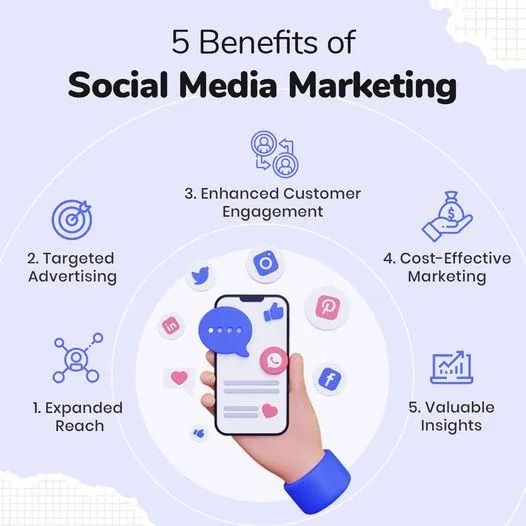
Social media gives local businesses another way to stay visible. It allows them to share updates with interested nearby audiences. Businesses can publish product photographs, announcements, and useful information. They can also explain seasonal services or upcoming offers. Consistent communication helps customers recognise the business more easily. However, posting every day is not always necessary.
The right platform depends on the target audience. Some businesses receive better engagement through visual content. Others may find community groups more useful for communication. A restaurant could share menu updates and food photographs. A repair company might explain common maintenance problems. A clothing shop can show new arrivals and styling ideas.
Local content should feel connected with the community. Businesses can share relevant events and neighbourhood information. They should avoid pretending to support activities without genuine involvement. Posts need clear photographs and understandable descriptions. Customers should know how to ask questions or contact staff. Social media works better when communication feels natural.
Planning Small Advertising Campaigns
Paid advertising can introduce local services to new customers. Businesses do not need large budgets to begin testing. A smaller campaign can reveal useful audience behaviour. Choose one clear service and define its target location. Create advertisements that explain the actual customer benefit. Send visitors to a relevant page instead of the homepage.
Advertising platforms offer different targeting options for businesses. Location targeting can limit unnecessary exposure outside service areas. Search advertisements can reach people looking for specific services. Social advertisements can introduce products to interested audiences. Each campaign should have one understandable objective. Mixing several unrelated objectives makes results difficult to evaluate.
Businesses should monitor spending and campaign performance regularly. Track calls, enquiries, bookings, and completed purchases where possible. Clicks alone do not prove that advertising creates sales. Some visitors may leave without contacting the company. Review the landing page when enquiries remain unusually low. Adjust the campaign based on reliable performance information.
Sharing Helpful Local Content
Useful content can answer questions before customers contact businesses. It can also demonstrate knowledge about particular services. A plumber might explain common causes of leaking taps. A dentist could discuss everyday oral care practices. A local shop might compare different product options. These articles help readers understand practical problems more clearly.
Content should answer real questions instead of chasing keywords. Research the topics customers frequently discuss with staff. Look at common enquiries and repeated customer concerns. Organise articles around clear questions and useful explanations. Avoid adding unnecessary information simply to increase length. Readers appreciate direct answers supported by practical details.
Local examples can make educational content more relevant. Mention service areas when they genuinely affect the advice. Explain regional availability without making unsupported promises. Add photographs when they help readers understand something. Update older articles when important information becomes outdated. Useful content should remain accurate after publication.
Tracking Results And Improvements
Digital marketing requires regular measurement and thoughtful adjustments. Businesses should decide what success means before launching campaigns. Their goals may include phone calls, website enquiries, or bookings. An online shop might focus on completed customer purchases. A service company could measure qualified enquiries instead. Different goals require different measurement methods.
Website analytics can reveal how visitors use important pages. Business owners can identify popular services and traffic sources. They can also notice pages where visitors leave quickly. Search performance reports show which queries attract website visitors. These details help businesses understand their online visibility. Numbers become useful when they guide practical decisions.
Do not change every marketing activity after one difficult day. Small businesses need enough information before judging performance. Compare results across reasonable periods and similar campaigns. Seasonal changes can influence customer behaviour considerably. Keep records of spending, enquiries, and completed sales. Regular reviews make future marketing decisions more informed.
Keeping Business Information Consistent
Customers may discover businesses through several online platforms. They might see a website, business profile, directory, or social page. Important information should remain consistent across these locations. Business names and contact numbers need accurate presentation. Address details should match the actual business location. Differences can create unnecessary doubt among potential customers.
Businesses should update old listings after changing details. Closed branches and outdated phone numbers need attention. Incorrect information can waste customer time and effort. Keep a simple record of important online profiles. Review those profiles whenever the business changes. Consistency makes the overall online presence easier to trust.
Building Long Term Visibility
Local digital marketing is not a single activity. It combines search visibility, useful content, reviews, and communication. Some improvements produce results faster than others do. Website improvements may need time before showing benefits. Customer feedback develops gradually through genuine experiences. Advertising can bring quicker traffic but requires monitoring.
Small businesses should focus on steady improvements instead of shortcuts. Start with accurate information and a working website. Improve important service pages before creating unnecessary content. Ask customers for honest feedback after successful work. Publish useful updates and review performance regularly. These habits create a stronger foundation over time.
Local competition can be challenging in many industries. Businesses should study competitors without copying everything they publish. Identify information gaps that customers still need answered. Explain services more clearly and provide better communication. Improve the parts of the customer experience that matter. Practical improvements can create meaningful differences in crowded markets.
Conclusion
Local digital marketing gives small businesses practical opportunities to reach nearby customers. It helps people discover services, compare options, and make contact. A complete business profile provides essential information quickly. A mobile-friendly website makes browsing easier for potential customers. Reviews and useful content can support customer confidence. Social media keeps businesses connected with interested audiences. Paid campaigns can introduce services when budgets allow. Tracking results helps owners understand which activities work.
There is no single marketing method suitable for every business. A restaurant needs different content from a repair company. A clothing shop may depend heavily on visual presentation. Service providers often need clear contact and booking options. Businesses should choose activities according to their actual customers. They should also improve their websites and profiles regularly.
Start by reviewing the information customers can currently find online. Fix outdated details and improve the most important pages. Choose realistic goals and measure the results consistently. Build trust through honest communication and reliable service. With steady effort, local digital marketing can support stronger visibility. Businesses should keep improving their online presence as customer expectations change. Contact a digital marketing professional when your business needs structured support.
Read also :-
