
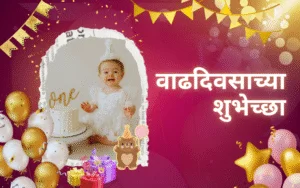
Wishes are a simple way to share happiness, care, and positive thoughts with people around us. suvicharread.com brings together meaningful wishes for celebrations, relationships, achievements, and everyday moments. Sometimes a few thoughtful words can express feelings that ordinary conversations cannot explain properly. A good wish does not need complicated language or dramatic expressions. It only needs to feel genuine and suitable for the person receiving it.
Why Wishes Still Matter
People exchange wishes for many reasons throughout their lives. Birthdays, festivals, weddings, examinations, new jobs, and personal achievements all create opportunities. These occasions may be different, but the feeling behind them often remains similar. People want others to feel remembered, appreciated, and supported.
A thoughtful message can make an ordinary day feel special. It might arrive through a phone message or handwritten card. Some people prefer short wishes, while others enjoy longer messages. The best choice usually depends on the relationship and occasion.
Wishes are also useful when someone cannot attend an important event. A simple message can show that distance has not reduced their interest. It allows people to remain connected during busy schedules. Even a small greeting can communicate attention and respect.
There is no strict rule about how wishes should sound. Formal messages work well in professional situations. Friendly words suit close relationships and everyday conversations. Personal messages often feel better when they reflect genuine feelings.
Choosing Words With Care
The words used in a wish can change its meaning considerably. A birthday greeting should sound different from a professional congratulation. A message for someone facing difficulties needs more sensitivity. Understanding the situation helps people choose suitable expressions.
It is useful to consider the receiver before writing anything. Think about their personality, interests, and relationship with you. A close friend may appreciate humour and relaxed language. A colleague might prefer something polite and straightforward.
Avoid adding expressions that do not match the situation. Excessive emotional language can sometimes make a simple message uncomfortable. Very formal wording may also feel distant between close friends. Natural communication usually creates a better impression.
Personal details can make wishes more meaningful. Mentioning a recent achievement or shared memory adds relevance. However, the message should remain respectful and appropriate. Good wishes should make the receiver comfortable rather than embarrassed.
Birthday Wishes For Everyone
Birthdays are among the most common occasions for exchanging wishes. People celebrate another year of life with friends and family. A birthday message can express happiness, affection, and encouragement. It can also remind someone that their presence matters.
For a close friend, a relaxed greeting often feels suitable. You can mention their positive qualities or shared experiences. A little humour may work when the friendship allows it. The message should still feel warm and respectful.
Family birthday wishes often carry a different kind of emotion. Parents, siblings, children, and relatives share important personal connections. Their messages may include appreciation, blessings, and encouragement. Simple words can express feelings that people rarely discuss directly.
Professional birthday wishes should remain polite and balanced. Colleagues and managers usually appreciate respectful greetings. A short message can recognise their special day without becoming overly personal. Workplace communication should always consider professional boundaries.
Wishes For Special Achievements
Achievements deserve recognition because they usually involve effort. Getting a new job, passing examinations, or completing difficult training can feel rewarding. A congratulatory wish acknowledges the work behind the result. It also encourages the person to continue moving forward.
Students often appreciate wishes before important examinations. These messages can provide encouragement without increasing pressure. Remind them to stay calm and trust their preparation. Avoid making unrealistic promises about guaranteed results.
A new job brings excitement and responsibility together. Someone starting a professional role may feel nervous about unfamiliar expectations. A thoughtful wish can encourage confidence during this transition. It should recognise the opportunity while wishing them steady progress.
Promotions and business achievements also deserve genuine appreciation. Professional messages should recognise dedication and consistent work. Avoid making the greeting sound like exaggerated praise. Honest recognition often creates a stronger impression.
Festival Greetings And Traditions
Festivals provide opportunities for families and communities to exchange greetings. Different celebrations carry their own traditions and meanings. Wishes may include happiness, peace, prosperity, gratitude, and togetherness. The wording should respect the occasion and its cultural background.
Some people prefer traditional greetings that families have shared for generations. Others enjoy modern messages with simple everyday language. Both approaches can work when they suit the receiver. Cultural sensitivity matters more than choosing impressive vocabulary.
Festival wishes are often shared with large groups. A message sent to relatives may also reach friends and colleagues. It should therefore remain welcoming and appropriate for everyone. Avoid expressions that could make some receivers uncomfortable.
People sometimes use festival greetings to reconnect with distant relatives. A short message can restart conversations after long gaps. It can also create an opportunity for a phone call. Small gestures often help maintain family relationships.
Good Morning And Evening Wishes
Daily greetings may appear ordinary, but they have practical value. A good morning message can begin someone’s day positively. It can also show attention without requiring a long conversation. The tone should match the relationship between sender and receiver.
Close friends may enjoy cheerful and playful morning greetings. Family members might appreciate warm and caring words. Professional contacts usually need simple and respectful messages. Choosing the right tone prevents unnecessary awkwardness.
Good evening wishes can feel suitable after busy working hours. They may express appreciation or simply acknowledge another person’s presence. Some people use them to maintain regular communication. Others send them occasionally when something reminds them of someone.
Daily greetings should not become a burden for either person. Repeated messages can lose meaning when they feel automatic. A thoughtful greeting at the right time often works better. Genuine communication matters more than message frequency.
Wishes For New Beginnings
New beginnings can involve fresh opportunities and uncertain decisions. Starting a business, moving into a new home, or joining college brings changes. People often appreciate encouragement during these moments. A suitable wish can recognise both excitement and responsibility.
A new home greeting may include comfort and happiness. It can mention peaceful days and positive family memories. Keep the message appropriate for the receiver’s circumstances. Avoid making assumptions about their financial situation or personal choices.
Someone beginning college may need confidence and motivation. New surroundings can feel exciting and unfamiliar together. A friendly wish can encourage curiosity and learning. It should support their independence rather than create pressure.
Business beginnings deserve practical encouragement too. Running a new venture involves decisions, patience, and consistent work. A message can wish the owner steady growth. It should not promise success without knowing the actual circumstances.
Wishes During Difficult Times
Not every message is sent during celebrations or happy events. People sometimes need support during stressful or disappointing periods. A thoughtful wish can communicate care without demanding an immediate response. These messages should use gentle and considerate language.
Someone experiencing failure may not want motivational speeches. They might simply need reassurance that one result cannot define everything. A short message can acknowledge their feelings. It should avoid judging their decisions or comparing their situation.
During illness, wishes should remain sensitive and realistic. People can express hope for comfort and recovery. Avoid offering medical advice through a greeting. Health decisions should remain with qualified professionals.
Difficult situations require attention to personal boundaries. Some people appreciate frequent messages, while others need space. A supportive wish should not create pressure to reply. Respecting silence can also be a form of kindness.
Wedding And Anniversary Greetings
Weddings bring together families, friends, and different personal traditions. Wedding wishes usually express happiness for the couple. They may mention mutual respect, understanding, and shared happiness. The message should celebrate the occasion without becoming intrusive.
Close friends can use more personal language during wedding celebrations. They might mention friendship and positive memories. Family members may include blessings and heartfelt appreciation. Professional acquaintances can keep their greetings brief and polite.
Anniversary wishes recognise the time people have spent together. They can celebrate commitment, companionship, and shared experiences. A simple message often feels more natural than exaggerated praise. The relationship between sender and receiver should guide the tone.
For parents or grandparents, anniversary greetings may express admiration. Their relationship can represent years of shared responsibilities and memories. However, every couple has a different experience. Wishes should avoid making assumptions about private matters.
Congratulating Friends And Family
People often underestimate how meaningful congratulations can feel. Acknowledging another person’s progress shows that their efforts matter. It can also strengthen friendships and family relationships. The message should focus on the achievement rather than competition.
When a friend reaches an important goal, mention their dedication. Avoid comparing their progress with someone else’s success. Comparisons can reduce the happiness of the moment. A genuine congratulation should allow the person to enjoy their achievement.
Family achievements may involve education, employment, personal goals, or creative work. Different situations deserve different wording. A younger family member might appreciate encouragement. An older relative may value respectful recognition.
Congratulations should also be shared for smaller achievements. Completing a difficult task or developing a useful habit can matter. Not every meaningful success requires public recognition. Sometimes a private message feels more personal.
Short Wishes With Meaning
Short wishes are useful when people need quick communication. They work well in text messages and social media captions. A concise greeting can still communicate warmth and respect. Length alone does not determine emotional value.
The important part involves choosing words carefully. Avoid adding unnecessary expressions just to increase message length. One clear thought can be enough for many occasions. Short messages also become easier to read quickly.
People can create short wishes by focusing on one feeling. It might be happiness, encouragement, gratitude, or appreciation. The message should remain connected with the occasion. Random phrases can make the greeting feel less personal.
Short wishes are also practical for group messages. They allow people to greet several contacts without writing long paragraphs. However, personal greetings may be better for close relationships. A little individual attention can make communication more meaningful.
Long Messages For Close Relationships
Longer wishes can suit relationships where people share strong personal connections. They provide space to express appreciation and meaningful memories. Family members and close friends may enjoy detailed messages. The content should remain genuine instead of repetitive.
A longer birthday wish might mention qualities that make someone important. It could recognise their support during difficult situations. It may also express hopes for their future. These details make the message more personal.
Anniversary messages can include memories and appreciation. They should reflect the couple’s actual relationship. Avoid copying romantic expressions that do not match their personalities. Natural wording usually feels more believable.
Long messages need a clear purpose throughout. Adding unrelated compliments can weaken the main feeling. Each sentence should contribute something useful. A thoughtful message is better than a collection of decorative phrases.
Making Wishes Feel Personal
Personalisation can improve almost any greeting. Mentioning the person’s name can create a direct connection. Referring to a recent achievement makes the message relevant. Even a small detail can distinguish one wish from many generic greetings.
Consider what the receiver actually enjoys. Some people appreciate humour and informal language. Others prefer thoughtful messages with a calm tone. Understanding these differences helps avoid awkward communication.
Personalisation should never cross private boundaries. Avoid mentioning sensitive experiences without permission. Public comments should be especially careful. A greeting should make someone feel respected.
You do not need complicated writing skills. Clear language and honest feelings are enough. Write as you would normally speak to that person. A natural message often feels more valuable than copied expressions.
Using Wishes On Social Media
Social media has made sharing wishes quick and convenient. People post birthday greetings, festival messages, and congratulations publicly. Images and captions can help communicate the occasion. However, public messages need suitable wording.
A social media wish should consider the audience. Friends and followers may read the message together. Avoid sharing private details that the receiver would rather keep personal. Public appreciation should respect individual preferences.
Captions can be short and direct. A simple line may work better than several unrelated sentences. Hashtags and decorative symbols should remain limited. Too many additions can distract readers from the actual message.
Some people prefer private greetings instead of public posts. Respect their preferences rather than assuming everyone enjoys online attention. A direct message can sometimes feel more thoughtful. Communication should suit the receiver.
Choosing Images And Greeting Cards
Images can make wishes more visually appealing. People often use greeting cards for birthdays and festivals. Digital designs are convenient because they can be shared quickly. Printed cards may feel more personal for certain occasions.
The image should match the message. Birthday graphics work for birthday greetings, while wedding designs suit marriage celebrations. Random visuals can make the greeting confusing. Simple designs are often easier to understand.
Text should remain readable on every image. Very decorative fonts can make words difficult to recognise. Choose clear lettering and suitable contrast. The design should support the message instead of hiding it.
Greeting cards do not need expensive decoration. A neat layout and sincere message can be enough. Handwritten notes may also feel special. The effort behind the greeting often matters most.
Respecting Different Relationships
The same wish may not suit every receiver. A message for a close friend can sound different from one sent to a manager. Relationships influence language, humour, and emotional expression. Good judgement helps people communicate comfortably.
Professional wishes should avoid overly personal comments. Respectful language works well for colleagues and business contacts. Keep the message focused on the occasion. A simple greeting can maintain positive workplace relationships.
Friends may prefer relaxed communication. They might appreciate jokes and familiar expressions. However, humour should never target personal insecurities. Knowing someone’s boundaries remains important.
Family communication can include warmth and affection. Different generations may prefer different styles. Some relatives enjoy traditional greetings, while others prefer modern messages. There is no need to force one writing style everywhere.
Common Mistakes In Wishes
Copied messages can sometimes feel distant or unsuitable. They may include expressions that do not match the receiver. Sending the same greeting to everyone can reduce personal meaning. Small adjustments can make a noticeable difference.
Another common mistake involves writing too much. Long messages may become difficult to read when they repeat similar ideas. Keep the main feeling clear. Remove sentences that add no useful meaning.
Timing also matters when sending wishes. A late greeting can still be thoughtful, but acknowledging the delay may help. Avoid pretending to have remembered an occasion perfectly. Honest communication usually feels better.
People should also check names and occasion details. A wrong name or date can make an otherwise good message awkward. Reading the greeting once before sending helps. Simple attention prevents avoidable mistakes.
Finding The Right Inspiration
Sometimes people know what they feel but cannot find suitable words. Looking at different wish examples can help them begin. Categories make it easier to find messages for specific occasions. They also provide ideas for different relationships.
Inspiration should not replace personal judgement. A message that works for one person may not suit another. Readers should adjust the wording when necessary. Adding one personal sentence can improve a copied greeting.
Different occasions need different emotional approaches. A celebration may require excitement and happiness. A difficult situation needs patience and understanding. Choosing the right category makes the process easier.
Useful wish collections should offer variety. Readers may want short messages, detailed greetings, traditional expressions, or modern captions. Different options help people choose comfortably. Clear categories save time when an occasion arrives.
Sharing Positive Thoughts Daily
Wishes do not need to wait for major celebrations. People can share appreciation during ordinary days. A message thanking someone for their support can strengthen relationships. Simple encouragement can also make difficult routines feel manageable.
Positive words should remain connected with real feelings. Empty compliments can sound unnatural when repeated frequently. Honest appreciation is usually more meaningful. People notice when messages feel sincere.
Daily wishes can also encourage kindness. A small greeting may remind someone that they matter. It can open a conversation after a busy week. Sometimes the value comes from remembering rather than writing something extraordinary.
The habit should remain natural and comfortable. Nobody needs to send messages constantly. Meaningful communication depends on attention and respect. A well-timed greeting can be enough.
A Better Way To Share Wishes
Wishes help people express feelings during important and ordinary moments. They can celebrate achievements, support relationships, and offer encouragement. The most effective messages match the occasion and receiver. Simple language often communicates feelings clearly.
A good collection should provide options for different situations. Readers need birthday greetings, festival wishes, congratulations, and everyday messages. They may also want thoughtful words for difficult moments. Variety makes it easier to find suitable expressions.
Explore more meaningful wishes, greetings, and positive messages through suvicharread.com. Find suitable words for your next special occasion and share them with people who matter.
Read also :-
