
smart driving assist systems are quietly reshaping the way we experience driving every day. What once felt like science fiction—cars that can warn you, guide you, and even react faster than humans—is now becoming a standard feature in modern vehicles.
If you’ve ever driven on a busy highway or through crowded city streets, you know how quickly situations can change. A sudden brake, a distracted driver, or an unexpected obstacle can turn a normal drive into a risky moment.
This is where intelligent assistance systems step in, acting like a silent co-driver that never gets tired or distracted.
What Are Smart Driving Assist Systems?
To understand smart driving assist systems, think of them as advanced technologies designed to support drivers in making safer decisions. They don’t replace the driver but enhance awareness and reaction time.
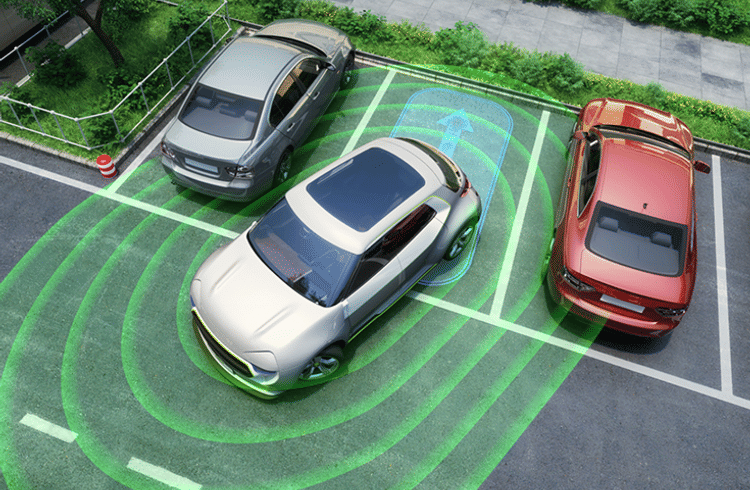
These systems use sensors, cameras, and software algorithms to monitor the surroundings of the vehicle. They can detect lane markings, nearby vehicles, pedestrians, and even potential collisions.
For example, if your car starts drifting out of its lane, the system can alert you or gently steer you back. If a collision seems likely, it can apply brakes automatically.
This combination of monitoring and assistance creates a safer driving environment.
Why Smart Driving Assist Systems Are Becoming Essential
The rise of smart driving assist systems is closely linked to increasing road complexity. More vehicles, diverse driving styles, and constant distractions make driving more challenging than ever.
These systems help reduce human error, which is one of the leading causes of accidents. By providing real-time alerts and assistance, they act as an extra layer of protection.
Drivers today are also more tech-savvy and expect their vehicles to offer advanced features. Safety is no longer optional—it’s a priority.
As a result, smart driving technologies are quickly moving from luxury features to everyday essentials.
How Smart Driving Assist Systems Work
The magic behind smart driving assist systems lies in their integration of hardware and software. Cameras capture visual data, sensors detect distance and movement, and onboard computers process this information instantly.
When a potential risk is identified, the system responds in milliseconds. This could mean issuing a warning, adjusting speed, or even taking control momentarily.
For instance, adaptive cruise control maintains a safe distance from the vehicle ahead by automatically adjusting speed.
Similarly, automatic emergency braking can prevent collisions by stopping the car when the driver doesn’t react in time.
These quick responses often make the difference between a close call and an accident.
Real-Life Driving Experience with Smart Assist Systems
Imagine driving on a highway late at night after a long day. Your concentration starts to slip, and the car drifts slightly toward another lane.
With smart driving assist systems, you receive a gentle alert or steering correction that brings you back on track.
Or picture a situation where traffic suddenly slows down. Before you even realize the danger, your car begins to brake automatically.
These real-life moments highlight how these systems act as a safety net, stepping in when human attention falters.
They don’t just add convenience—they actively protect lives.
Key Features That Define Smart Driving Assist Systems
The strength of smart driving assist systems lies in their wide range of features. Lane departure warning, adaptive cruise control, blind spot detection, and parking assistance are among the most common.
Each feature addresses a specific aspect of driving risk. Together, they create a comprehensive safety system.
For example, blind spot detection alerts you when another vehicle is in an area you can’t see. Parking assistance simplifies tight maneuvers in crowded spaces.
These features work seamlessly to enhance both safety and comfort.
Smart Driving Assist Systems vs Traditional Safety Features
Traditional safety features like seat belts and airbags are reactive—they protect you after an incident occurs. In contrast, smart driving assist systems are proactive.
They aim to prevent accidents before they happen. This shift from reaction to prevention is a major advancement in automotive safety.
While traditional features remain essential, combining them with smart systems provides a much higher level of protection.
This layered approach ensures that drivers are prepared for both expected and unexpected situations.
The Role of Artificial Intelligence in Smart Driving
Artificial intelligence plays a crucial role in the effectiveness of smart driving assist systems. AI enables these systems to learn from data and improve over time.
By analyzing driving patterns and environmental conditions, AI can make more accurate predictions and decisions.
For example, it can distinguish between a pedestrian and a stationary object, ensuring appropriate responses.
This intelligence makes the systems more reliable and adaptable, enhancing their overall performance.
Challenges and Limitations
Despite their advantages, smart driving assist systems are not without challenges. They rely heavily on sensors and cameras, which can be affected by weather conditions like rain or fog.
There is also a risk of over-reliance. Drivers may become too dependent on these systems and pay less attention to the road.
Understanding the limitations is crucial. These systems are designed to assist, not replace, human judgment.
Maintaining awareness and control remains the driver’s responsibility.
Growing Adoption in India
The adoption of smart driving assist systems in India is steadily increasing. As more manufacturers introduce advanced features in their vehicles, awareness among consumers is growing.
Urban drivers, in particular, are recognizing the value of these systems in navigating heavy traffic and complex road conditions.
Government regulations and safety standards are also encouraging the inclusion of advanced safety technologies.
This trend indicates a shift toward smarter and safer driving practices across the country.
Future of Smart Driving Assist Systems
The future of smart driving assist systems is incredibly promising. As technology continues to evolve, these systems will become more sophisticated and accessible.
Integration with connected car technologies will enable real-time communication between vehicles, further enhancing safety.
Fully autonomous driving may still be on the horizon, but assist systems are already paving the way.
Continuous innovation will make driving safer, easier, and more efficient for everyone.
Why Smart Driving Assist Systems Matter Today
The importance of smart driving assist systems goes beyond convenience. They represent a significant step forward in reducing accidents and saving lives.
In a world where distractions are everywhere, having an extra layer of support can make all the difference.
These systems empower drivers to handle complex situations with greater confidence and control.
As roads become busier and vehicles more advanced, their role will only continue to grow.
A New Standard in Driving Safety
Imagine driving through busy streets or long highways with a system that constantly watches out for you. That’s the promise of smart driving assist systems.
They combine technology and safety in a way that feels natural and intuitive. Instead of overwhelming the driver, they provide subtle support exactly when needed.
This balance between control and assistance is what makes them so effective.
As more drivers experience their benefits, these systems are quickly becoming a standard feature in modern vehicles, redefining what it means to drive safely.
Read also:
8662384951
1-877-870-8046
+1 (320) 207-5189
+1 (866) 535-9492
8887077597